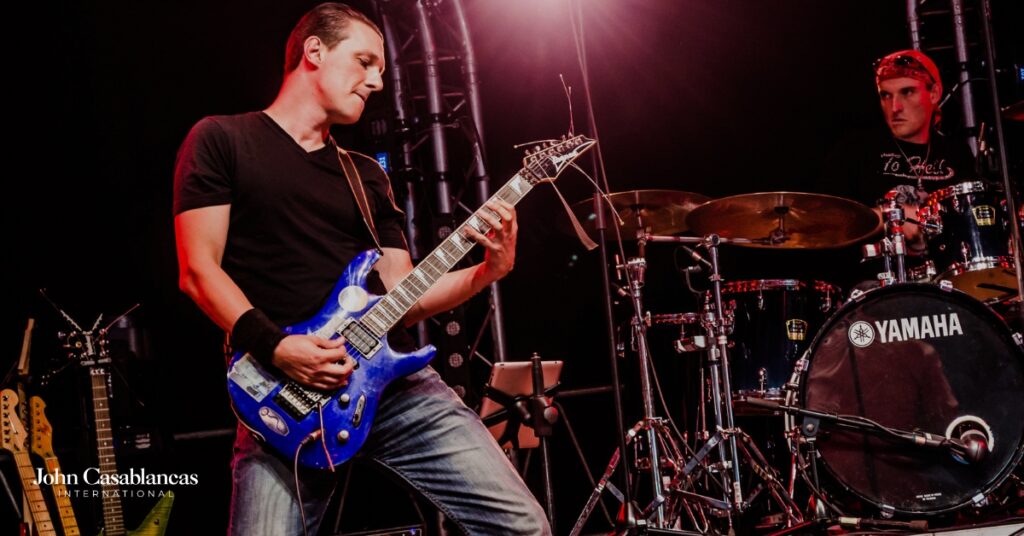
In the world of live music, there is an invisible line that separates a gig from a performance. We have all experienced both. On one side, you have a local bar band that sounds decent but feels disorganized, with the long silences between songs, the frantic tuning, and the lack of visual direction. On the other side, you have a performance that feels inevitable, polished, and immersive.
Contrary to popular belief, professionalism in live music has very little to do with the size of the venue or the cost of the lighting rig. It is a mindset. It is the result of thousands of micro-decisions made before the house lights ever go down that makes live music performance feel truly professional.
The Art of the “Seamless” Flow
The most immediate hallmark of a professional act is the elimination of dead air. In an amateur setting, the end of a song is often followed by a collective de-energizing of the room. The drummer might adjust a cymbal, the guitarist tunes for forty-five seconds, and the singer looks at the floor.
Professionals treat the silence as part of the music. They utilize segue transitions where the final chord of one song provides the ambient bed for the start of the next. If tuning is required, it is done silently using a pedal while another band member engages the audience or a pre-recorded soundscape fills the room. This maintains the spell cast over the audience. Once you lose the audience’s attention, it takes three times as much energy to get it back.
Sonic Maturity and Dynamic Range
Amateur performers often equate energy with volume. A professional, however, understands the power of dynamics. A professional mix is balanced. It allows for the breath in a song. This is achieved through frequency respect and using volume as a narrative tool.
Visual Intentionality
We often forget that a concert is a visual medium. If the audience only wanted to hear the music, they would stay home and listen to the recording. A professional performance acknowledges the theatre of the stage.
Professionalism is about awareness. Professionals know where the hot spots on stage are. They move with purpose. Even if the vibe is shoegaze and moody, there is a difference between looking bored and looking intensely focused.
A professional also considers their attire. This means dressing in a way that distinguishes them from the audience. When a performer walks onto the stage, their clothing should signal that they are the main character for the next hour. If the band looks like they just finished mowing the lawn, the audience subconsciously lowers their expectations for the music.
The Mistake Protocol
One of the clearest indicators of a professional in a live music performance is how they handle a train wreck. In live music, things go wrong: Strings break, monitors fail, and lyrics are forgotten.
An amateur will often make a mistake face, such as a grimace, a look at their bandmate, or even an apology to the crowd. This breaks the fourth wall and makes the audience feel uncomfortable for the performer.
A professional is a master of the poker face. If a mistake happens, they lean into it, smile, or simply keep the rhythm going. Because they don’t react, the audience usually assumes the mistake was a deliberate stylistic choice.
Curating the Setlist Arc
A professional performance is a scripted emotional journey. Professionals understand the psychology of the setlist. They start with a high-energy statement song to grab attention. They place experimental or slower tracks in the middle third once the audience’s trust has been earned. They save the most recognizable or highest-energy song for the end, ensuring the audience leaves on a dopamine hit.
This structural planning ensures that the energy of the room is managed. You never want to follow a high-octane dance track with a ten-minute depressing ballad, and a professional in live music performance knows how to ramp the audience up and down.
Technical Discipline
Behind every great performance is a mountain of boring, technical discipline. This is the professionalism that happens in the wings. Professionals respect the venue staff, the sound engineer, and the audience’s time. They start on time, and more importantly, they end on time. Overstaying a set time is a cardinal sin in the industry.
During soundcheck, pros don’t noodle on their instruments while the engineer is trying to EQ the drums. They give the engineer exactly what they need, quickly and efficiently, because they know the engineer is their most important ally.
The Relationship With the Audience
Finally, professionalism is defined by how the performer treats the people in the room. There is a specific type of stage charisma that feels welcoming rather than exclusionary.
Professionals make eye contact. They acknowledge the local city. They thank the opening bands and the bar staff. Most importantly, they perform with the same level of intensity whether there are five people in the room or five thousand. To a pro, the person who paid $20 for a ticket deserves a world-class show regardless of how the performer is feeling internally.
Take Your Talent to the Next Level With John Casablancas International
Ultimately, a professional live music performance is defined by the intentionality behind every movement and note. It’s about transforming a simple gig into an immersive experience through discipline, stagecraft, and a deep respect for the audience. Mastery of these elements turns talented musicians into true performers.
If you are ready to refine your presence and launch a serious career in the spotlight, John Casablancas International provides the expert training and industry connections needed to excel. Transition from amateur to professional and ensure your next performance is unforgettable.