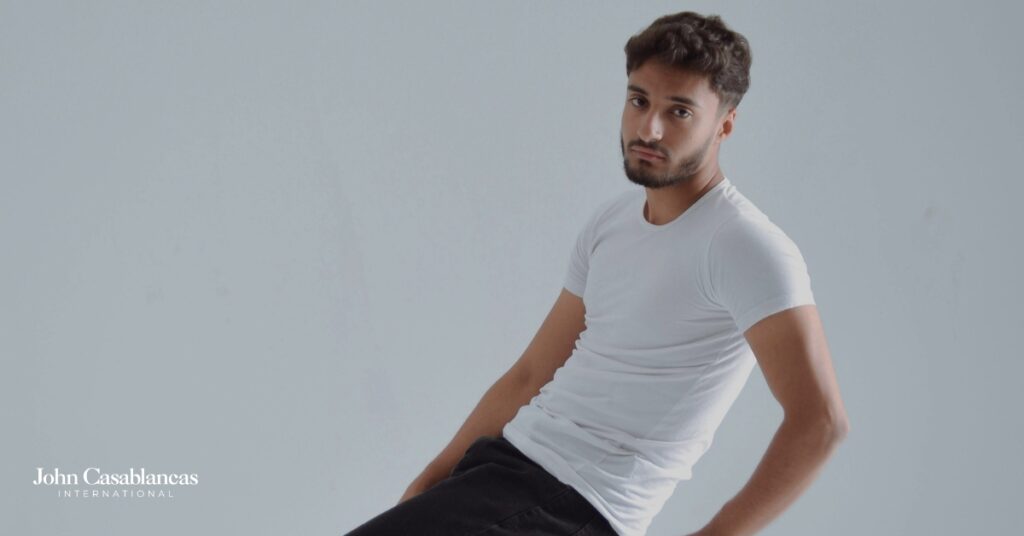
Modeling digitals are one of the first real tests between an aspiring model and the agency reviewing their submission. You can have the right look, the right measurements, and genuine potential. If your modeling digitals are poorly prepared, though, that submission may never get a second glance. Understanding exactly what to include in your modeling digitals and why each element matters gives you a real advantage before you ever walk through an agency’s door.
What Are Modeling Digitals?
Modeling digitals are natural, unedited photographs that show an agency or client your current, authentic look. They are not portfolio shots. They are not comp card images. The goal is the opposite of a styled editorial photo. Agencies want to see your actual face, your actual skin, and your actual proportions without the influence of heavy makeup, filters, or professional retouching.
The term polaroids is still widely used in the industry, and it refers to exactly the same thing. The name comes from the instant Polaroid cameras agencies once used for these snapshots. Today, the images are digital, but the purpose has not changed. Casting directors and clients use them to assess your potential in the most honest way possible. They are scouting potential, not photography.
The Essential Shots to Include in Your Modeling Digitals Submission
A strong set of modeling digitals covers multiple angles so that anyone reviewing them gets a full, accurate picture of what you look like right now.
Start with a straight-on full body shot. Stand with good posture and your shoulders back, and keep your expression neutral and relaxed. This shot establishes your overall proportions. Next, include a three-quarter turn, which captures how your body reads at an angle. Then add a full side profile, showing your posture and natural silhouette from the left. A second profile from the right is ideal as well.
For your headshot, frame from the chest up, and keep your expression clean. Fashion agencies typically prefer a non-smiling look, while commercial agencies often want to see at least one shot with a natural smile. In both cases, your hair should be pulled back or tucked behind your ears so your face and neck are fully visible.
Finally, include a close-up face shot that fills most of the frame. This is where casting directors examine your features, skin, and structure in the most direct way. Some agencies also request a hands shot, particularly for commercial and print work, so short and neatly groomed nails in a neutral tone are worth having ready.
What to Wear and How to Prepare
Preparation for modeling digitals is straightforward, but the details matter. Wear form-fitting clothing in solid, neutral colors. A fitted black tank top with dark jeans is a reliable and widely recommended combination. Avoid patterns, logos, or anything that draws the eye away from your body shape and natural features.
Keep makeup minimal. The point of digitals is to show your real skin and face, so heavy foundation, dramatic eye makeup, or bold lip color all work against you here. A light, natural look is appropriate. If you have long hair, wear it simply. Keep it away from your face and neck so that neither is obscured.
Shoot in front of a clean, plain background. White, light grey, or an uncluttered neutral wall works well. Natural light is your best option. Shooting near a large window during the day produces soft, even lighting that flatters without manipulation. Avoid flash photography, which creates harsh shadows and unnatural skin tones.
No filters. No editing. Not even subtle brightness adjustments. The moment an image looks touched up, it loses its value as a modeling digital submission.
Common Mistakes That Hurt a Modeling Digital Submission
Even well-intentioned submissions fall short for predictable reasons. Knowing what to avoid is just as important as knowing what to include.
Heavy filtering is the most frequent issue. Many new models assume polished photos make a stronger impression. In reality, filters signal to agencies that the model may be hiding something. Unedited images build immediate trust.
Submitting only one type of shot is another common problem. An agency that receives only headshots or only full-body images cannot properly evaluate the model. Variety is essential. Similarly, poor lighting makes it difficult to read features clearly, which often results in a pass.
Cluttered backgrounds, busy clothing patterns, and wearing accessories like sunglasses or hats all distract from what the agency is actually trying to see. Keep everything simple and clean.
One overlooked mistake is submitting outdated digitals. If your hair has changed significantly, if your face has matured, or if your body has changed since your last submission, your current digitals no longer represent you accurately. That mismatch creates hesitation for anyone reviewing them.
How JCI Prepares You Before the Submission
Knowing what to include in your modeling digitals is a starting point. Knowing how to carry yourself in front of a camera, how to hold a natural expression, and how to present your best angles takes practice and guidance. Strong modeling digitals start with strong preparation.
At John Casablancas International, training covers image development, posing technique, and professional presentation. Students learn what agents look for in modeling digitals well before they ever prepare a submission. When you are ready to take the first step, book your audition with John Casablancas International and find out where your potential can take you.
Rebecca Lord is the Chief Marketing Officer at John Casablancas Modeling and Career Centers, where she leads strategic marketing to grow brand visibility. With over a decade in copywriting, social media, and ROI-driven campaigns – plus 14 years as a freelance copywriter and designer – she specializes in messaging that resonates and delivers results. She’s based in Greater St. Louis.