Starting a modeling career can be exciting, but it can also feel overwhelming when you are unsure where to begin. Many aspiring models dream of walking in fashion shows, appearing in advertisements, creating content for brands, or building a career in entertainment. However, success in modeling requires more than having a certain look. It takes preparation, skills, confidence, professionalism, and a willingness to keep learning.
The best tips for aspiring models focus on helping you understand the industry, identify your strengths, create a polished portfolio, prepare for opportunities, and build the confidence to be seen. Whether you want to model professionally, pursue acting, become a creator, or improve your personal image, developing the right foundation can help you move forward with purpose.
John Casablancas International has helped aspiring models, actors, and creators develop their talents for more than 40 years. Its programs focus on professional training, personal growth, on-camera confidence, and the practical skills needed to pursue opportunities in fashion and entertainment. John Casablancas International supports people who are ready to develop their potential and become the best version of themselves.
Understand the Different Types of Modeling
One of the most important tips for aspiring models is to understand that modeling is not limited to runway shows or magazine covers. The modeling industry includes many categories, each requiring different skills, strengths, and presentation styles.
Finding the right modeling path can help you focus your training, build a relevant portfolio, and apply for opportunities that match your goals.
1. Runway Modeling
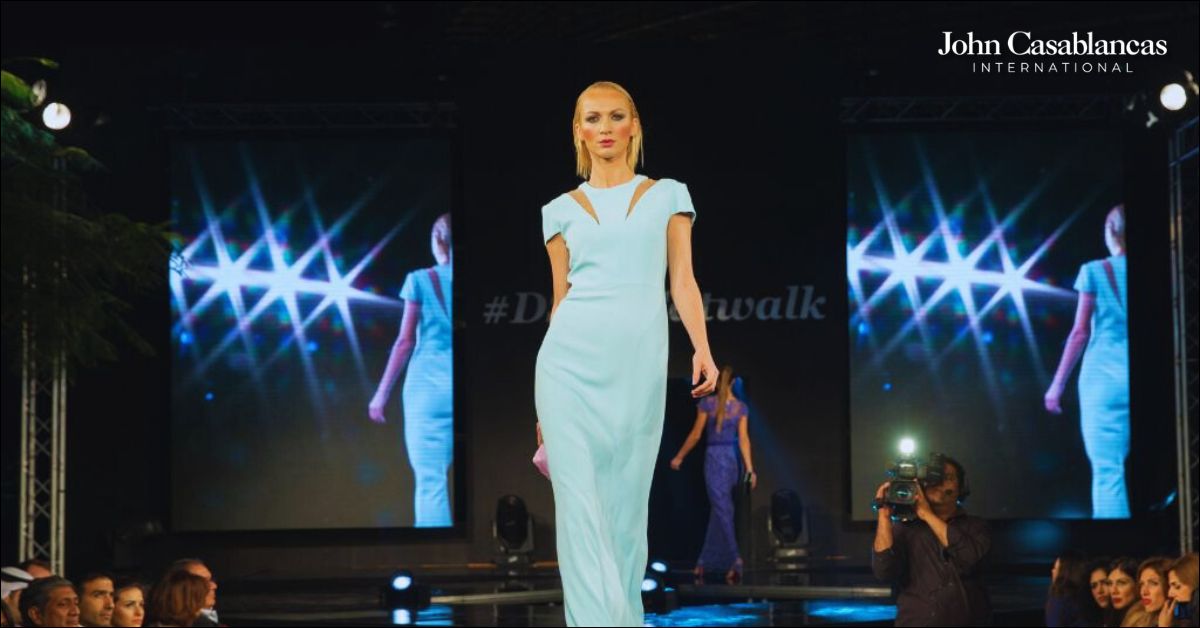
Runway modeling involves presenting clothing at fashion shows, designer events, retail presentations, and promotional appearances. Models need strong posture, a confident walk, good pacing, and the ability to highlight the clothing without distracting from it.
High-fashion runway modeling may have specific height and measurement preferences, but runway skills can also apply to local fashion shows, brand events, boutiques, bridal showcases, and promotional work.
If you want to improve your walk, posture, and stage presence, training can help you feel more comfortable moving with confidence in front of an audience. John Casablancas International provides development opportunities for aspiring talent seeking to build skills in modeling, acting, and other entertainment-focused fields. Learn more about the organization through its About Us page.
2. Commercial Modeling
Commercial modeling is one of the most accessible types of modeling for beginners. It includes advertisements, catalogs, online stores, lifestyle campaigns, brochures, commercials, product promotions, and social media content.
Commercial clients often seek people who feel relatable, expressive, friendly, and authentic. This type of work can include models of different ages, sizes, ethnicities, appearances, and experience levels.
Commercial modeling may be a strong fit if you are comfortable smiling, interacting naturally with others, and showing personality on camera. It can also be a useful path for people who are interested in modeling alongside acting, content creation, or public-facing work.
3. Editorial Modeling
Editorial modeling focuses on storytelling through photography. Editorial models may appear in fashion magazines, creative campaigns, designer lookbooks, beauty shoots, and art-driven projects.
This type of modeling often requires strong facial expressions, body awareness, and the ability to create a mood through posing. Editorial images may be dramatic, minimal, expressive, or fashion-focused.
If you enjoy fashion, photography, and creative direction, editorial modeling may help you showcase your ability to convey emotion through imagery.
4. Fitness Modeling
Fitness modeling involves working with athletic apparel companies, sports brands, gyms, wellness campaigns, fitness equipment companies, and health-focused businesses.
Fitness models often need to demonstrate strength, movement, energy, and a healthy lifestyle. A fitness model does not need to follow an extreme routine to succeed. Maintaining sustainable habits, staying active, and learning how to move naturally on camera can be more valuable than chasing unrealistic expectations.
5. Plus-Size Modeling
Plus-size modeling celebrates a broader range of body types and has created more opportunities in fashion, e-commerce, beauty, lifestyle advertising, and brand campaigns.
Many businesses want to work with talent who reflects the diversity of their customers. Plus-size models can find opportunities in commercial campaigns, social media content, beauty advertisements, fashion retail, and lifestyle photography.
6. Parts Modeling
Parts modeling focuses on specific features, such as hands, feet, legs, hair, eyes, teeth, and skin. Brands may hire models for jewelry advertisements, beauty products, hand-care campaigns, footwear promotions, technology advertisements, and product demonstrations.
Parts models need to care for the feature they model and learn how to position it effectively for close-up photography or video work.
6. Creator and Influencer Modeling
Many modern brands want people who can model products and create natural, engaging digital content. This work may include social media campaigns, short-form videos, beauty tutorials, product demonstrations, lifestyle photography, and brand partnerships.
Creators often need to be comfortable speaking on camera, sharing their personality, and producing content that feels authentic. John Casablancas International supports individuals interested in modeling, acting, and creator opportunities. The organization encourages aspiring talent to explore their goals and pursue a path that aligns with their interests. Submit an audition application to learn whether the program may be a fit for you.
Find Your Modeling Niche
Trying to become every type of model at once can make it difficult to build a clear professional identity. One of the most practical tips for aspiring models is to identify the categories that suit your personality, strengths, interests, and goals.
Your niche is not meant to limit your future. It gives you a focused starting point and can help you create a portfolio that makes sense to agencies, photographers, and clients.
Ask yourself:
-
Do you feel more confident walking on a runway or posing for photographs?
-
Are you expressive and comfortable using facial expressions?
-
Do you enjoy fitness, wellness, and athletic movement?
-
Are you interested in beauty, skincare, hair, or close-up photography?
-
Does your personality suit friendly, approachable commercial work?
-
Would you like to combine modeling with acting or content creation?
-
Are you more drawn to fashion, lifestyle brands, beauty campaigns, or creative photo shoots?
For example, someone with a warm smile and an approachable personality may do well in commercial or lifestyle modeling. Someone who enjoys dramatic fashion, creative concepts, and expressive posing may be more interested in editorial modeling.
John Casablancas International believes talent comes in many forms. Its talent success stories highlight models, actors, and creators who have pursued agency signings and professional opportunities after developing their skills. The organization recognizes that successful talent can come from different ages, backgrounds, body types, and personal styles.
Build a Strong Modeling Portfolio
Your modeling portfolio is your visual introduction to agencies, photographers, casting professionals, and potential clients. It should show your natural appearance, ability to pose, personality, and versatility.
A strong portfolio does not need hundreds of images. A concise selection of polished, current photographs is more valuable than a large collection of repetitive photos.
Your portfolio should include:
-
A clean headshot with natural lighting.
-
A full-body photograph that shows your posture and proportions.
-
A side-profile image.
-
Simple digitals with minimal makeup.
-
Photos with different facial expressions.
-
Images that show a range of poses.
-
Commercial-style images that show warmth and personality.
-
Editorial-style images that show fashion and expression.
-
Full-length photographs that include your feet when requested.
-
Images with simple backgrounds that keep the attention on you.
For beginner digitals, wear simple, fitted clothing, such as jeans, leggings, a plain T-shirt, a tank top, or a neutral-colored top. Avoid heavy filters, excessive retouching, busy patterns, large logos, dramatic lighting, and overly styled makeup.
Agencies and casting professionals want to see your natural features clearly. Clean digitals can help them understand how you look without editing, filters, or complicated styling.
As you build experience, keep your portfolio current. Replace older photographs with stronger images that better represent your look, your skills, and the type of modeling work you want to pursue.
If you are unsure of how to begin, John Casablancas International offers guidance for aspiring talent who want to improve their presentation, posing, confidence, and readiness for professional photo shoots. You can explore common questions about its programs, auditions, and career development opportunities through the John Casablancas FAQs.
Practice Posing, Expression, and Movement
Modeling involves much more than standing in front of a camera. Professional models need to understand body positioning, facial expression, posture, movement, lighting, and how to follow creative direction.
A photographer may ask you to create a different mood, shift your pose quickly, show movement in your clothing, or create a more natural expression. The more you practice, the more comfortable and polished you will appear.
Use these tips for aspiring models to improve your skills:
-
Practice posing in front of a mirror.
-
Study fashion ads and notice the position of the hands, shoulders, legs, and chin.
-
Watch runway footage and observe posture, pace, turns, and eye focus.
-
Take practice photos and identify your strongest angles.
-
Experiment with relaxed, smiling, serious, playful, and dramatic expressions.
-
Practice creating movement without looking stiff.
-
Learn how lighting can affect your appearance and angles.
-
Record videos to improve posture and camera awareness.
-
Practice wearing shoes with different heel heights if runway modeling is one of your goals.
-
Work with photographers on test shoots when appropriate.
A natural-looking pose usually involves several small adjustments. For example, shifting your weight to one leg, relaxing your shoulders, extending your neck, and keeping your hands intentional can create a stronger image.
Modeling training can help you learn these skills in a supportive setting. John Casablancas International provides professional development for people who want to improve their modeling, acting, communication, and personal image skills.
Prepare for Casting Calls and Auditions
Casting calls and auditions are opportunities to meet agencies, clients, photographers, casting professionals, and creative teams. They may be brief, but the way you prepare can leave a positive impression.
Clients often look for more than appearance. They want talent who is professional, punctual, friendly, confident, and able to take direction.
Before a casting or audition:
-
Confirm the date, time, location, and requirements.
-
Research the brand, agency, or project when details are available.
-
Prepare your portfolio, digitals, comp card, or any requested materials.
-
Wear clean, fitted clothing unless a specific wardrobe is requested.
-
Keep your hair neat and makeup natural.
-
Bring comfortable shoes and heels if instructed.
-
Practice a short introduction about yourself.
-
Arrive early enough to check in without rushing.
-
Be respectful to everyone you meet.
-
Keep your phone silent and stay attentive.
-
Be prepared to walk, pose, introduce yourself, or perform on camera.
If you are asked to walk or pose, do your best to stay relaxed. Listen carefully to instructions and adjust quickly. You do not need to be perfect. You need to show that you are prepared, coachable, and comfortable learning.
Aspiring talent who want guidance before attending auditions can find valuable direction through structured training. John Casablancas International also offers development for performers who want to explore acting. The Acting blog category includes articles about acting skills, learning experiences, and industry-focused guidance.
Build a Professional Social Media Presence
Social media can serve as an extension of your portfolio. Agencies, photographers, brands, and casting professionals may review your online presence to learn more about your look, personality, and professionalism.
You do not need to post constantly. Instead, focus on sharing content that is clear, consistent, and aligned with your goals.
To create a stronger model-focused social media profile:
-
Use a clear profile photo.
-
Write a simple bio that describes your modeling interests.
-
Include professional contact information when appropriate.
-
Share current, well-lit images.
-
Post a mix of close-ups, full-body photos, lifestyle content, and professional work.
-
Let your personality show while maintaining appropriate boundaries.
-
Credit photographers, stylists, makeup artists, and brands.
-
Keep captions professional and easy to understand.
-
Avoid content that conflicts with the image you want clients to see.
-
Organize your profile so it is easy for people to review your work.
If you want to become a creator, focus on developing your own voice. Brands often want creators who can make products feel approachable, demonstrate how they use an item, and communicate naturally on video.
Modeling, acting, and social media content creation can overlap. The key is to develop confidence, consistency, and the ability to communicate clearly on camera. If you want to explore your potential in any of these areas, use the Be Discovered form to connect with John Casablancas International and learn more about available opportunities.
Avoid Modeling Scams
Learning how to avoid scams is one of the most important tips for aspiring models. New talent can be especially vulnerable to misleading offers because they are eager to book their first job, sign with an agency, or begin building their portfolios.
Not every paid service is a scam. Modeling classes, professional photography, coaching, and portfolio development may be legitimate services when the purpose, cost, and expectations are explained clearly. Be cautious when a company uses pressure, makes unrealistic promises, hides details, or discourages you from asking questions.
Watch for these warning signs:
-
Promises that you will become famous quickly.
-
Guaranteed jobs before anyone has reviewed your materials.
-
Pressure to make an immediate payment or sign a contract.
-
Unclear costs, services, or contract terms.
-
Communication from suspicious personal email addresses.
-
A business with no professional website or clear contact information.
-
Requests for images that make you uncomfortable.
-
Meetings in unsafe or inappropriate locations.
-
Claims that you must pay before you can be considered for representation.
-
Discouragement from bringing a parent, guardian, or trusted person when appropriate.
Research every agency, photographer, training provider, or client before committing. Review the company website, look for clear contact information, ask questions, read all contracts, and save written communication.
If you are under 18, involve a parent or guardian in all major decisions, auditions, contracts, and meetings. Protecting your safety, privacy, and finances should always come first.
You can review the John Casablancas FAQs for more information about programs, auditions, and the organization’s approach to talent development before deciding whether to apply.
Take Care of Your Health and Confidence
Your health, energy, and self-confidence are essential to building a sustainable modeling career. Modeling can involve long days, changing schedules, travel, photo shoots, castings, and rejection. Healthy routines can help you maintain the focus and energy needed to pursue opportunities.
Focus on habits that support your well-being:
-
Eat balanced meals that support your energy.
-
Stay hydrated.
-
Get enough sleep whenever possible.
-
Choose exercise that you enjoy, such as walking, strength training, dance, yoga, or sports.
-
Follow a skincare routine that works for your skin.
-
Maintain personal hygiene and grooming.
-
Make time for rest and stress management.
-
Avoid dangerous diets and harmful beauty trends.
-
Set healthy boundaries around work and social media.
-
Talk to supportive people when you feel discouraged.
Confidence does not mean feeling flawless. Confidence comes from knowing you are prepared, trusting your ability to improve, and recognizing that your individuality has value.
John Casablancas International emphasizes the value of personal development alongside professional skills. Its About Us page describes the organization as a place for people who are passionate about modeling, acting, and creative expression to develop their aspirations and confidence.
Understand Modeling Contracts and Payments
As you begin pursuing work, you may encounter contracts, model releases, agency agreements, and usage agreements. These documents explain the work you are expected to perform, how you will be paid, and how your images or videos may be used.
Before signing anything, carefully review:
-
The job description and your responsibilities.
-
The payment amount and payment schedule.
-
Whether payment is hourly, daily, per project, or commission-based.
-
Where your photos or videos will appear.
-
How long the client can use your image.
-
Whether the usage covers print, websites, social media, television, or advertising.
-
Whether there are exclusivity requirements.
-
Whether travel, meals, wardrobe, or other expenses are included.
-
The duration of the agreement.
-
The cancellation policy.
-
Conditions for ending the contract.
If you are unsure about a contract, ask questions before signing. If the agreement is complex, long-term, or financially significant, consider speaking with a qualified legal professional.
You should never feel pressured to sign an agreement you do not understand. Professionalism includes knowing your rights, responsibilities, and the terms of the work you accept.
Build Positive Industry Relationships
Networking in modeling is about building trust, not simply collecting contacts. People remember models who are punctual, prepared, polite, responsive, and easy to work with.
A strong reputation can lead to repeat bookings, referrals, test shoots, creative collaborations, and future introductions. The photographers, stylists, makeup artists, producers, and casting professionals you meet early on may become important contacts later in your career.
Build positive relationships by:
-
Arriving on time.
-
Communicating professionally.
-
Replying to messages within a reasonable time.
-
Being respectful to photographers, stylists, assistants, and fellow talent.
-
Listening to feedback without becoming defensive.
-
Thanking people after a shoot, meeting, or casting.
-
Giving proper credit to collaborators online.
-
Keeping your commitments.
-
Respecting professional boundaries.
-
Supporting other aspiring models and creators.
Consistency matters. Talent may help you get noticed, but professionalism can help people want to work with you again.
John Casablancas International aims to provide aspiring talent with the skills and support to pursue personal and professional goals. Its Talent Success Stories page shares examples of people who have developed their abilities and pursued opportunities in modeling, acting, and entertainment.
Stay Motivated Through Rejection
Rejection is a normal part of modeling. A client may select another person because of a campaign concept, clothing size, hair color, height, age range, availability, location, or a creative preference. It is not always a reflection of your ability or potential.
One of the most valuable tips for aspiring models is to separate rejection from your self-worth. Not booking one opportunity does not mean you are not talented. It means that particular opportunity was not the right match.
Use rejection as motivation to improve:
-
Set realistic goals that you can control.
-
Practice your walk, posing, and expressions regularly.
-
Update your digitals when your appearance changes.
-
Build your portfolio over time.
-
Ask for feedback when it is appropriate.
-
Celebrate progress, even when it feels small.
-
Avoid comparing your journey to other people’s social media highlights.
-
Keep learning through classes, practice, and experience.
-
Build a supportive network of mentors, friends, and peers.
-
Remember the reason you started.
Each casting, photo shoot, class, and audition can help you become more prepared for the next opportunity. Growth often happens gradually, but consistent effort can make a major difference over time.
How John Casablancas International Helps Aspiring Models
Starting a modeling career can feel difficult when you are unsure what clients expect, how to prepare for auditions, or how to develop your skills. John Casablancas International provides a supportive environment for aspiring models, actors, and creators who want to turn ambition into confidence and practical ability.
With more than 40 years of experience in talent development, John Casablancas International helps students build a foundation in modeling, acting, personal image, communication, and on-camera presentation. Its programs are designed to help people become more comfortable in the spotlight while developing skills that can support both professional and personal goals. John Casablancas International presents itself as a place where aspiring talent can pursue modeling, acting, creative expression, and personal development.
Students may have opportunities to develop:
-
Runway walking and posture.
-
Posing and facial expression.
-
Camera confidence.
-
Personal image and presentation.
-
Communication skills.
-
Casting and audition preparation.
-
On-camera performance.
-
Social media and creator confidence.
-
Portfolio readiness.
-
Self-belief that can carry into other areas of life.
Choosing to develop your talent can be a meaningful step toward becoming more confident, expressive, and prepared. Whether your goal is to pursue modeling professionally, explore acting, become a creator, or simply build a stronger personal presence, professional guidance can help you take the next step with clarity.
To begin exploring your potential, visit the John Casablancas Virtual Audition page and submit your information for consideration.
FAQs
What photos should I include in my modeling portfolio?
Include clear digital images that show your natural appearance. Start with a headshot, a full-body photograph that includes your feet, and a side-profile image. Use natural lighting, a plain background, fitted clothing, minimal makeup, and limited editing.
As you gain more experience, add professional images that show your range, including commercial, editorial, lifestyle, beauty, and full-length photos.
Do I need experience to start modeling?
No. Many aspiring models begin with simple digitals, a willingness to learn, and an understanding of the type of modeling they want to pursue. Practice, training, and portfolio development can help you build confidence and become more prepared for opportunities.
How do I know whether a modeling agency is legitimate?
Research the company carefully. Look for a professional website, clear contact information, transparent policies, and credible information about its services. Be cautious of companies that guarantee jobs, pressure you to pay immediately, use unclear contracts, or make unrealistic promises.
What should I wear to a modeling casting call?
Unless you receive different instructions, wear clean and fitted clothing that shows your natural shape without distracting from your appearance. Jeans or fitted pants with a plain top are often appropriate. Keep your hair neat, your makeup natural, and bring heels if requested.
Do I need to be a certain height or size to model?
Requirements depend on the type of modeling. High-fashion runway modeling may have more specific standards, while commercial, lifestyle, fitness, beauty, plus-size, parts, and creator modeling offer a broader range of opportunities.