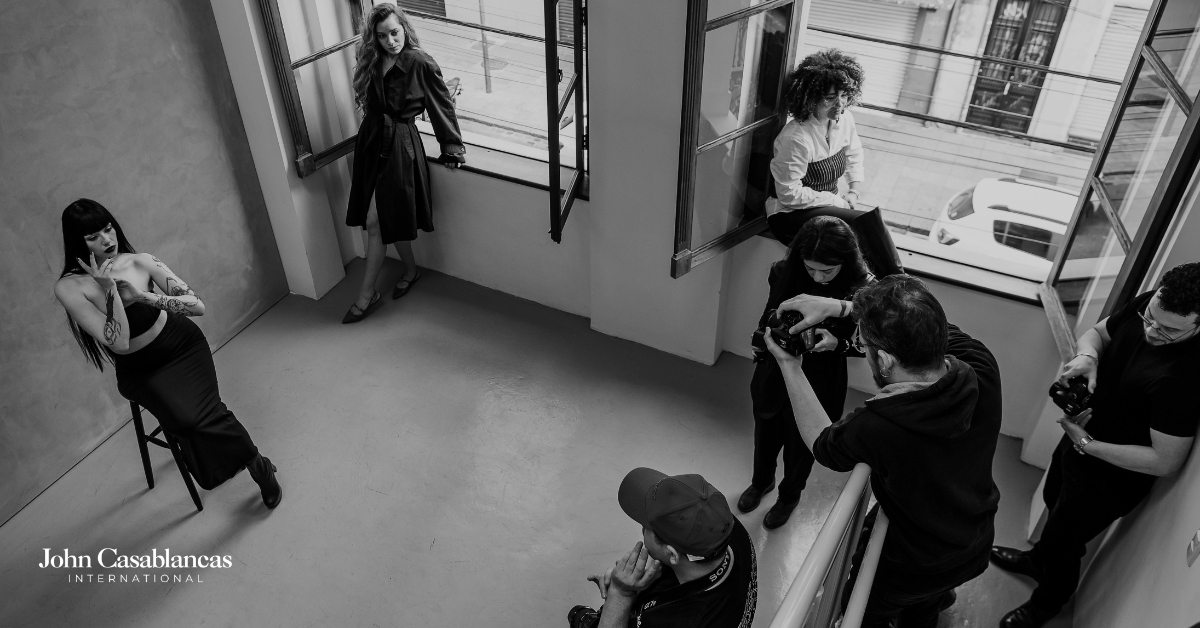
In today’s visually saturated world, a standard, cookie-cutter headshot simply won’t cut it. To truly stand out, whether for a feature article, a professional profile, or a personal brand, you need an image that tells a story, evokes emotion, and demands a second look. This is the realm of the editorial headshot. A powerful editorial headshot doesn’t just show a face. It reveals character, context, and contemplation.
Prioritizing the Story
The fundamental difference between a traditional corporate headshot and an editorial headshot is the focus on narrative. Your goal is to illustrate the subject’s world, work, or personality in a single frame.
Before the shoot begins, you must understand the “why” behind the picture. What is the subject’s profession? What article will this photo accompany? What is the overarching message of their brand? This story informs every decision, from wardrobe to location.
Stiffness is the enemy of an editorial portrait. The expressions should feel genuine, relaxed, and spontaneous, allowing the subject’s natural demeanor to shine through. Move beyond the forced, toothy grin. Seek moments of genuine engagement, contemplation, or even intensity. Encourage a slight smile in the eyes (“smizing”) or a thoughtful, distant gaze.
If props or a location are involved, the subject should interact with them naturally, rather than just posing beside them. Capture them mid-thought, mid-task, or mid-gesture.
Mastering the Technical Elements
Expert control over light and composition transforms any photo into a captivating editorial portrait. Unlike flat traditional lighting, editorial work demands dimension, using shadows and highlights to sculpt the face. For natural light, seek open shade or the warm glow of Golden Hour to avoid harsh shadows. When using artificial light, deliberately craft a dramatic look with single-source setups and modifiers to add depth.
The framing should be dynamic, often a waist-up or three-quarter shot, allowing the setting to support the narrative. Apply rules like the rule of thirds and be purposeful with your focus: Use a shallow depth of field for a cinematic isolate or a deeper focus to highlight the environment.
Context and Styling
The elements surrounding the subject, including what they wear and where they stand, are visual cues that reinforce the story. The backdrop must contribute to the story, not just serve as a neutral void.
Choose a location that is authentic to the subject’s work or passion, such as a library, a bustling office lobby, a unique architectural space, or a workshop. Even if the background is in focus, ensure it doesn’t distract from the subject. Look for clean lines, interesting textures, or elements that frame the subject effectively.
The subject’s attire and grooming should look polished and authentic to their brand. Select clothing that is professional yet reflects their personality. Solid, rich colors (like navy, emerald, or charcoal) generally work better than busy patterns, which can be distracting or cause the Moiré effect on screens.
Ensure hair and makeup are clean and understated. For editorial work, makeup should look natural and enhance the subject’s features, not overpower them. Avoid excessive shine on the skin, and the simplest fix to this is a quick wash or the use of blotting paper before the shot.
Post-Processing and Legacy
The edit is where the final look is cemented, adding a signature style and ensuring the photo makes its ultimate impact. Post-processing should enhance the narrative and quality, not create an artificial reality.
Use color grading (such as subtle warmth, coolness, or desaturation) to establish the emotional tone. A darker, more contrast-heavy edit can feel dramatic and serious, while a lighter, airier palette suggests approachability.
Maintain the subject’s authenticity by using subtle skin retouching. Avoid aggressive airbrushing or skin smoothing that eliminates all texture. The goal is a high-quality image, not an unrealistic representation.
Remember that the editorial shot may be cropped in various ways for different platforms (a magazine cover, a website header, a social profile). When shooting, ensure the composition is strong enough to handle different aspect ratios.
The Next Step in Your Professional Image
Mastering the editorial headshot transforms a simple picture into a powerful visual narrative. By controlling light, composition, and context, you create a compelling image that instantly communicates your unique professional identity and builds a memorable legacy.
For aspiring talent, an impactful editorial headshot is essential. John Casablancas International understands the industry’s demands. Connect with our experts to refine your look, define your brand, and ensure your headshots are pitch-perfect for landing your next big opportunity. Your career starts with a captivating first impression, so partner with John Casablancas International today.