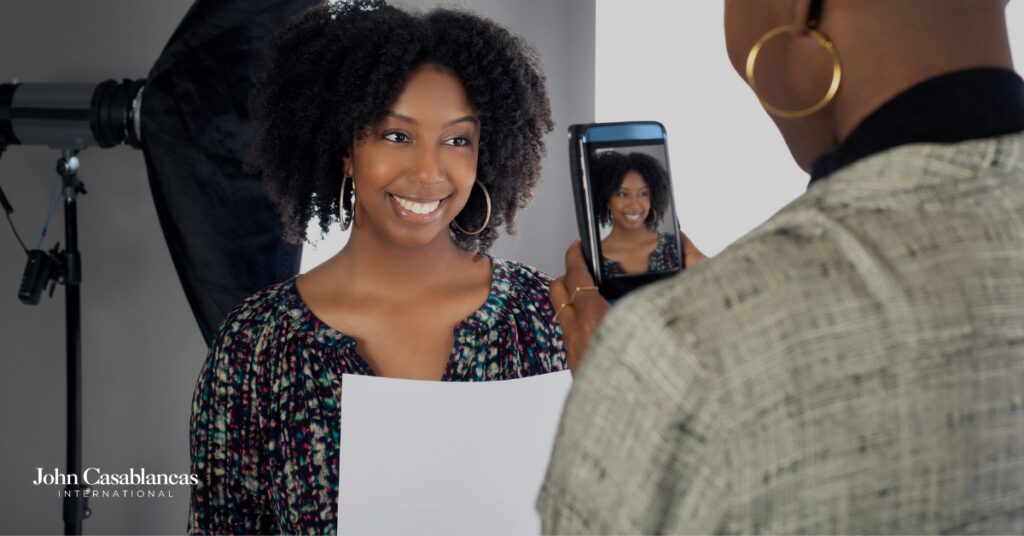
In the entertainment industry, the self-tape audition has transitioned from a supplementary option to an indispensable cornerstone of the casting process. For actors worldwide, a compelling self-tape is no longer a convenience; it’s often the very first, and sometimes only, chance to make a lasting impression on casting directors, producers, and directors. More than just a recording of lines, a professional self-tape is a meticulously crafted presentation that showcases not only your acting prowess but also your professionalism and understanding of the technical demands of screen performance.
Building Your On-Screen Studio
Before you say a word, the technical foundation of your self-tape needs to be rock-solid. Think of it as creating a mini film set in your own space, designed to make your performance shine.
Your camera choice doesn’t dictate professionalism as much as its proper use. While DSLRs offer top quality, a modern smartphone can work wonders when used correctly. A tripod is essential; shaky footage is distracting and unprofessional. Frame yourself in a medium close-up, from the chest to just above your head, allowing casting directors to see your expressions clearly. Keep your camera at eye level for a natural perspective, and maintain consistent framing throughout.
Effective lighting is crucial. Your face must be clear, evenly lit, and free of harsh shadows. Natural, indirect sunlight from a window is ideal. If that’s not possible, affordable LED lights, ring lights, or softboxes can significantly improve your video quality.
Excellent audio is just as vital. Minimize background noise by turning off appliances and choosing a quiet room. An external microphone (like a lavalier or shotgun mic) is highly recommended for clear, crisp sound. Ensure your reader’s volume is balanced with yours.
Finally, your background should be a plain, neutral color—like grey, blue, or white—to keep the focus entirely on you. Simplicity is key; avoid anything distracting.
Performance and Acting Choices
With your technical setup locked in, your attention can now shift entirely to your performance – the heart of your self-tape. Start by thoroughly reading everything provided: the casting notice, character breakdown, and all script sides. Understand the character’s motivations, relationships, and the overall tone of the project. Don’t just learn the lines; internalize them. Aim to be completely off-book.
A live reader is crucial. Acting against a silent partner, or worse, recording your own lines to play back, severely limits your ability to have authentic reactions and engage in a dynamic scene. Even if your reader is virtual via a video call, their presence allows for genuine give-and-take.
Your eye line should be consistently just to the left or right of the camera lens, simulating eye contact with your scene partner. Never look directly into the camera during the scene unless specifically instructed for a direct address or monologue (and even then, this is typically for the slate only).
Remember that film acting is generally more subtle than stage acting. Small, authentic reactions are often more powerful than broad gestures. Focus on communicating through your eyes and subtle facial expressions.
Make strong, committed choices about your character and the scene. Don’t play it safe; casting directors want to see your unique interpretation. Authenticity is key – aim for believable, organic reactions that stem from a genuine emotional connection to the material.
Pre- and Post-Production
The final stages involve careful attention to detail in your appearance and the technical presentation of your video file. Your wardrobe should be simple, flattering, and appropriate for the character, but subtle. Solid colors are best; avoid busy patterns, distracting logos, or words. Keep your makeup natural and minimal, unless the role specifically calls for something more distinct. Ensure your hair is styled in a way that doesn’t obscure your face.
Your slate is your formal introduction. It should be filmed as a separate clip. Look directly into the camera, smile confidently, and state your name, the role you’re auditioning for, and any other requested information.
Always perform several test shots to check your lighting, audio levels, and framing before committing to your main takes. Record a few takes, allowing yourself to explore different choices if desired. Critically review your takes and select your absolute best one. Editing should be minimal and clean: trim the beginning and end of the scene cleanly.
Finally, ensure your file is in the preferred format (typically MP4) and clearly labeled with your name, the role, and the project title. This attention to detail makes it easy for casting directors to organize and access your submission.
The Final Submission
Your journey isn’t over until the tape is successfully submitted. Always read and follow the specific instructions provided by the casting director or platform. They may have unique requirements regarding file size, specific slate information, or preferred delivery methods. When sending your self-tape, ensure your email is professional, concise, and includes all necessary information. A polite follow-up after a few days is acceptable to confirm receipt, but avoid being overly persistent.
Elevate Your Skills with John Casablancas International
Mastering the art of the self-tape audition is a journey, not a destination. For aspiring actors serious about refining their craft and professional presence, comprehensive training can make all the difference.
Programs at John Casablancas International are designed to help you develop the confidence, acting techniques, and industry understanding necessary to excel in auditions, including producing high-quality self-tapes. Invest in your potential and learn to command the camera with expert guidance.