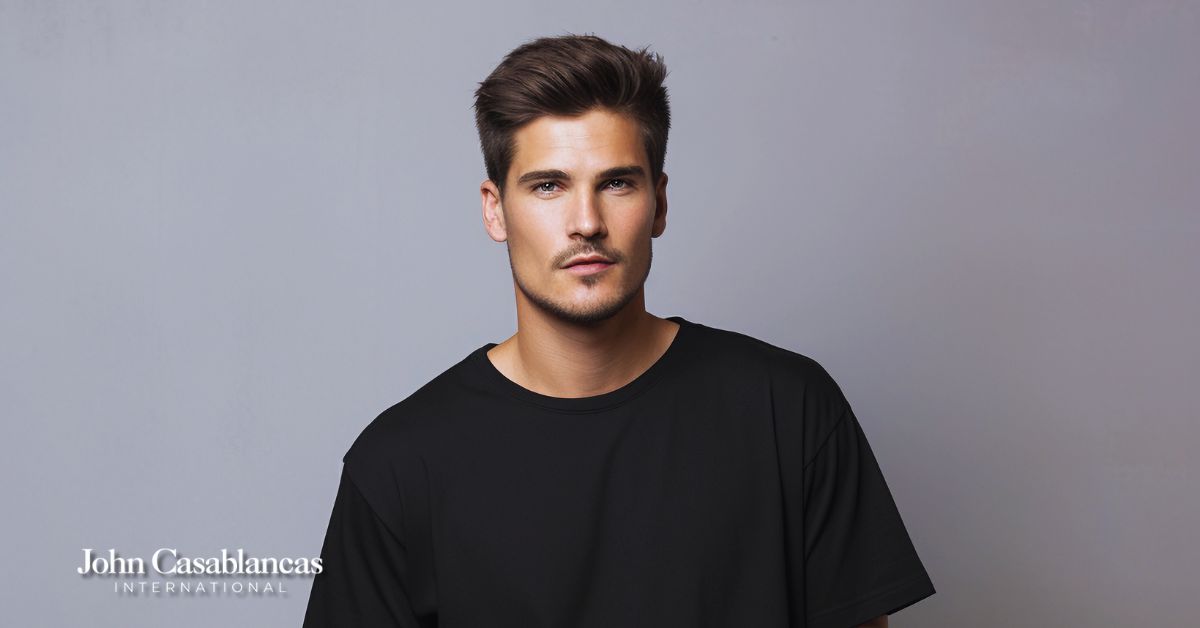
For anyone wondering how to become a male model, the path may seem confusing at first. With so many different types of modeling jobs, agency options, and standards to meet, it’s easy to get overwhelmed.
But becoming a male model today isn’t just for tall, chiseled men walking the runways of New York or Milan. There are more doors open now than ever before.
In this guide, you’ll learn what it takes to break into the modeling world, even if you’re starting from zero. From building a solid portfolio to understanding the various types of modeling gigs, this beginner-friendly overview will provide you with the tools and direction you need to move forward.
What Does It Mean to Be a Male Model Today?
Before you begin learning how to become a male model, it’s helpful to understand how the industry operates today. Years ago, modeling was narrowly defined by a specific body type and look.
Now, the field has expanded to include men of all shapes, sizes, and backgrounds. Brands today value relatability, diversity, and authenticity.
Whether you’re lean, muscular, athletic, older, or even tattooed, there’s a place for you. If you can present yourself well, take direction, and show up consistently, you have what it takes to get noticed.
What Are the Different Types of Male Modeling?
Understanding how to become a male model begins with selecting the type of modeling that suits your strengths. Here are the most common categories:
1. Runway Modeling
This involves walking in fashion shows for designers. It requires a tall, slim frame—usually 5’11” to 6’3”. Strong posture, a good walk, and confidence are key.
2. Editorial Modeling
These shoots are for high-fashion magazines or artistic campaigns. Editorial work leans toward edgy looks and expressive posing.
3. Commercial Modeling
Commercial models appear in advertisements for a wide range of products, from household items to insurance companies. This category is open to a wider range of looks, ages, and body types.
4. Fitness Modeling
Fitness models typically have lean, muscular builds and often appear in gym advertisements, sports brand promotions, or wellness campaigns.
5. Catalog and E-commerce Modeling
These models wear products for clothing brands, online shops, or printed catalogs. The goal is to make the product look appealing to everyday consumers.
6. Parts Modeling
Some models specialize in specific body parts, like hands, legs, or facial features. If you have well-groomed hands or strong features, this could be a niche to explore.
7. Mature Modeling
More brands are casting older men in their 40s, 50s, and beyond for lifestyle or retirement-themed campaigns.
What Skills Should a Male Model Have?
While looks matter in modeling, they’re only part of the equation. The best male models are reliable, easy to work with, and know how to carry themselves on camera.
Here are some soft skills that make a difference:
1. Confidence
You’ll need to hold your own in front of the camera and in front of clients.
2. Communication
Listening to feedback and taking direction makes shoots go smoothly.
3. Posing Ability
You don’t need to be a pro from day one, but practice helps. Posing naturally and fluidly adds value.
4. Consistency
Clients prefer models who look the same on shoot day as they do in their portfolios.
If you’re just starting out and still unsure about how to become a male model, focus on developing these essential soft skills. They go a long way, especially in commercial and lifestyle modeling.
How to Stay Competitive and Grow in the Industry
Learning how to become a male model is just the first part. Staying relevant and competitive is what keeps you working in the long term.
1. Update Your Portfolio Regularly
Shoot new images every 6 to 12 months. Replace outdated looks and show your versatility.
2. Keep Learning
Take posing classes, watch behind-the-scenes videos, and practice in front of a mirror. Growth matters more than perfection.
3. Explore New Opportunities
Some male models branch into:
- Influencer marketing
- Fitness coaching
- Acting or public speaking
- Personal branding or consulting
If modeling opens other doors, don’t be afraid to walk through them.
Conclusion
If you’ve been trying to figure out how to become a male model, remember that you don’t need to be perfect to begin. What matters most is being prepared, acting professionally, and having a willingness to learn and grow.
Start with simple, honest photos. Find the modeling niche that fits your look and personality. Build genuine relationships and show up consistently with your best effort.
Whether you choose to work with an agency or freelance on your own, there’s room in the industry for those who take it seriously and stay committed. The first step can feel like the biggest one, but once you take it, opportunities often follow.
If you’re ready to take that step and want expert guidance on how to become a male model, reach out to John Casablancas International. Our team is here to help you develop your skills, understand the industry, and build a clear path to success in modeling.
FAQs
Do I need professional photos to become a male model?
No, you don’t need expensive studio photos to get started. Most agencies prefer clean, natural photos called “digitals” taken in good lighting with minimal editing.
Can I be a male model if I’m not tall?
Yes, height is only a strict requirement for runway modeling. Other categories like commercial, fitness, and lifestyle modeling, are more flexible with height.
How do I find a legitimate modeling agency?
Research well-known agencies, check their website for official submission guidelines, and avoid those asking for large upfront payments. A good agency earns money when you work, not before.
Is it possible to model part-time?
Yes, many male models work part-time while building their portfolio or juggling other jobs. Modeling can be flexible depending on the type of work you pursue.
What should I wear to a casting call?
Stick to fitted, neutral clothing like a plain T-shirt and jeans. Keep your appearance clean and simple so the focus stays on you.