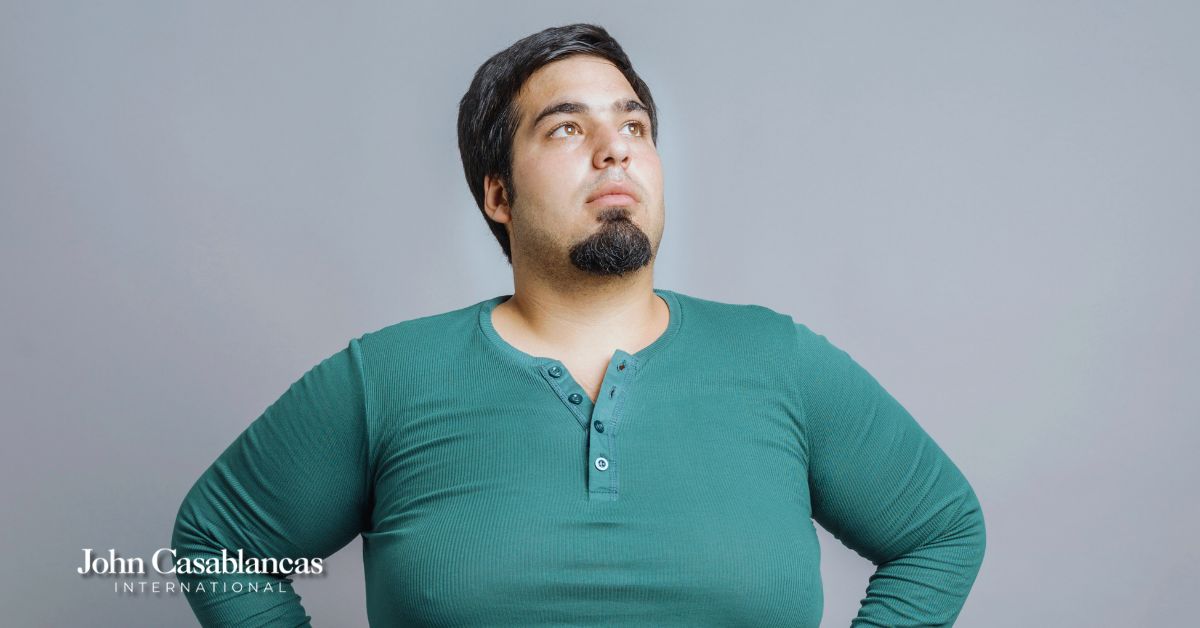
Plus-size male models are transforming how men are represented in the fashion world. For years, male models were expected to meet strict body standards: lean, muscular, and tall. Anyone who didn’t fit that mold was rarely seen in magazines or ad campaigns.
But the rise of plus-size male models is challenging this outdated image. These models are bringing diversity, relatability, and a fresh sense of confidence to the industry.
What Does “Plus Size” Mean for Male Models?
There is no exact rule for what defines plus-size for men, but in general, plus-size male models wear size XL or above. Their waist measurements often start around 36 inches. Some modeling agencies use the term “brawn” instead of plus size.
While plus-size female modeling has been around for a while, male plus-size modeling is still gaining momentum. The definition varies slightly from agency to agency and even brand to brand, but the goal is the same: to showcase men who don’t fit traditional fashion sizes.
Why Representation of Plus-Size Male Models Matters
Representation matters because it reflects what real people look like. Most men do not have chiseled abs or wear a medium shirt size. When men see only one type of body being celebrated, it can affect their self-image. That’s why plus-size male models are important.
They reflect a wider range of body types and show that style, confidence, and presence are not limited by size. Plus-size male models also help normalize larger bodies in fashion and media.
This helps reduce stigma and builds a healthier narrative about what it means to be attractive and confident as a man.
Who Are Some of the Top Plus Size Male Models?
Several plus-size male models have become prominent voices in the fashion world. Their success proves that there’s both demand and admiration for men who look more like the average consumer.
1. Zach Miko
Known as one of the first widely recognized plus-size male models, Zach has appeared in campaigns for major retailers and advocates for body diversity.
2. Steven G
A bold and stylish figure, Steven G has worked with well-known fashion brands and built a loyal online following.
3. Kelvin Davis
A former teacher turned model, Kelvin uses his platform to speak about self-love, fashion, and male body confidence.
These men are not only modeling clothing. They are influencing conversations about male self-image, representation, and inclusion.
Are Fashion Brands Using Plus-Size Male Models?
More brands are including plus-size male models in their marketing and product photos. Companies like ASOS, Target, and Bonobos are making an effort to be more size-inclusive. Some are even designing collections specifically for bigger body types.
Still, there is plenty of room for growth. While commercial brands are making progress, luxury fashion houses and high-end labels are slower to adopt size diversity.
Plus-size male models are still a rare sight in fashion week lineups or designer lookbooks. That said, visibility in mainstream advertising is steadily increasing.
How Does Social Media Help Plus-Size Male Models?
Social media has opened doors for plus-size male models who might have been overlooked by traditional agencies. Platforms like Instagram, TikTok, and YouTube allow models to build their own audiences, share personal stories, and promote inclusive fashion.
Many plus-size male models gained popularity by posting outfit ideas, confidence tips, and daily experiences. This type of content connects with people on a personal level. It helps men see that it’s possible to be stylish and self-assured at any size.
Hashtags like #brawnmodel and #plussizemodel have created online communities where support and encouragement are at the forefront. These platforms also give brands insight into what real customers want—and who they relate to
What Challenges Do Plus-Size Male Models Face?
Even with growing visibility, plus-size male models still face challenges. Many are typecast into limited roles. They may be seen as comic relief or styled only in baggy, shapeless clothing.
Opportunities in high fashion are still limited. Runways and designer campaigns mostly feature slim models. Even in commercial advertising, some brands treat the inclusion of a plus-size male model as a one-time event rather than a lasting change.
Another challenge is access. There are fewer modeling agencies with divisions focused on plus-size men. This can make it harder for new talent to find representation.
Despite these obstacles, plus-size male models continue to push forward, gaining influence and opening doors for others.
How Do Plus-Size Male Models Help Everyday Men?
Representation in media influences how people feel about themselves. When men see plus-size male models who look like them, it sends a powerful message: you matter, and you can be confident too.
This can make a big difference in how men approach fashion, self-care, and social situations. It helps reduce shame and encourages self-expression. Many men who once felt uncomfortable in stores or avoided certain clothes now feel empowered to try new styles.
The presence of plus-size male models is especially important for younger men and boys who are still forming their identities. Seeing someone who looks like them in a campaign or on a magazine cover helps build self-esteem.
How Can Fashion Brands and Consumers Support Plus-Size Male Models?
Fashion brands can do several things to support size inclusion:
- Feature plus-size male models in all campaigns, not just specialty collections
- Offer extended sizing in stores and online
- Train styling teams to properly dress bigger bodies
- Avoid using plus-size models as a token gesture
Consumers also have a role to play. Buying from inclusive brands, sharing content featuring diverse models, and providing feedback to companies can help promote long-term change. Every purchase and social media share sends a message about what customers value.
Conclusion
The rise of plus-size male models marks a meaningful shift in both the fashion industry and wider culture. These models are reshaping how style, masculinity, and self-confidence are defined, helping men of all body types feel seen, respected, and represented.
While there is still progress to be made, the momentum is clear and encouraging. If you are inspired by this change and want to explore opportunities in the industry, connecting with the right support matters.
Reach out to John Casablancas International, a trusted agency for fashion models, to see how we can help you build skills, gain confidence, and take the next step toward success in today’s evolving fashion world.
FAQs
What sizes do plus-size male models usually wear?
Plus size male models typically wear size XL and above, with waist measurements often starting around 36 inches. Exact sizing can vary by brand and modeling agency, but the focus is on representing fuller body types.
Are plus-size male models only used by big-and-tall clothing brands?
No, plus-size male models now appear in a wide range of fashion campaigns, including mainstream and lifestyle brands. While big and tall labels use them frequently, many standard retailers are expanding their representation.
Can plus-size male models work in high fashion?
Opportunities in high fashion are still limited, but change is slowly happening. Most plus-size male models currently find more consistent work in commercial, retail, and digital campaigns.
How do plus-size male models influence body confidence for men?
Seeing plus-size male models in media helps normalize different body types and reduces pressure to meet unrealistic standards. This visibility encourages men to feel more comfortable with their appearance and personal style.
How can someone become a plus-size male model?
Aspiring plus-size male models can start by building a strong portfolio, developing a confident presence, and using social media to gain visibility. Some choose to apply directly to agencies that represent plus-size or brawn talent, while others grow their careers through online platforms.