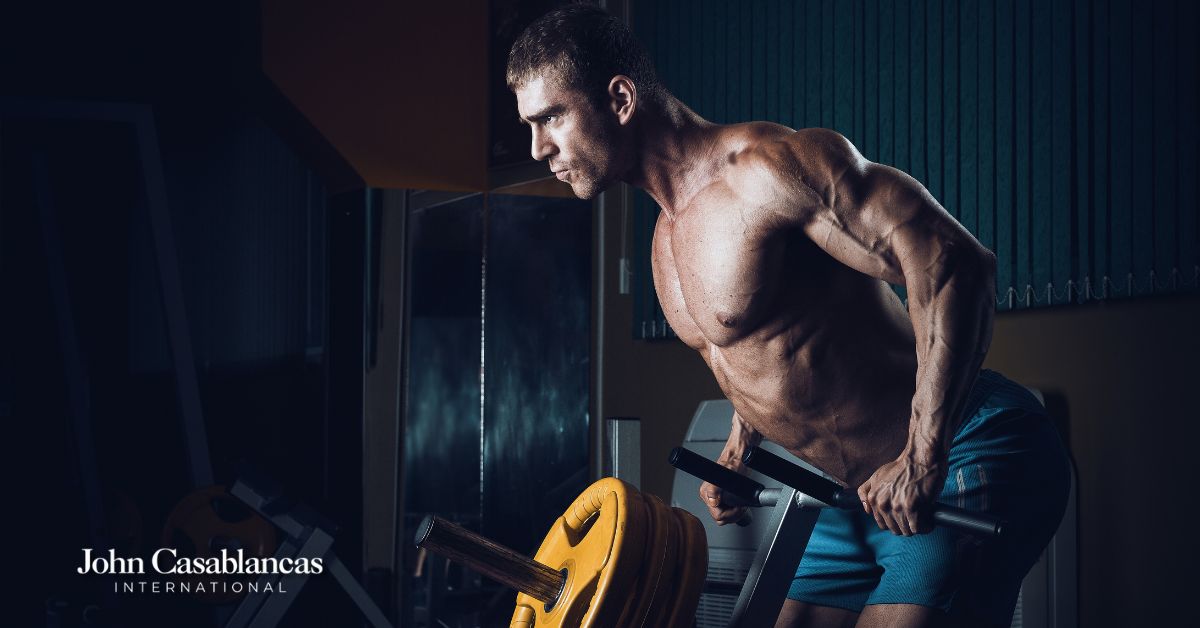
Fitness male models are known for their lean, muscular bodies, but what sets them apart is their ability to maintain that look consistently throughout the year. Unlike those who train for summer or a one-time event, these professionals focus on building daily routines that help them stay in peak shape no matter the season.
This approach is not about perfection. It is about creating smart, sustainable habits that lead to long-term success.
In this guide, we take a closer look at the methods fitness male models use to manage their training, nutrition, sleep, and stress.
The Demands of the Industry
Fitness male models must be ready for work at all times. Photo shoots, fashion shows, and commercial campaigns can come up with little notice.
Agencies and brands expect consistency in how models look, including muscle tone, body fat percentage, and energy levels. This means that fitness male models cannot afford to rely on crash diets or last-minute gym marathons.
Instead, they maintain a body weight that stays within five to ten pounds of their shoot-ready condition. That way, a slight change in diet or activity is all it takes to be camera-ready.
Daily Habits That Make a Difference
Success for fitness male models often comes down to routines. These models build structured days that support their physical goals.
Their schedules include:
- Regular wake-up and sleep times
- Planned workouts at specific times of the day
- Meal prep to avoid poor food choices
- Physical check-ins to track body composition
When routines become habits, staying fit becomes part of their lifestyle. Over time, these small daily actions lead to visible results.
Strength Training as the Core
Fitness models, particularly males, rely heavily on strength training. They focus on building lean muscle and maintaining a balanced physique.
Most of their workouts include compound exercises, such as squats, deadlifts, presses, and rows. These movements target multiple muscle groups, helping to improve strength and endurance.
The goal is not to achieve the maximum size possible, but to create a body that appears strong, defined, and proportionate. Weight training also helps with posture and injury prevention, which are both important during long days on set or traveling.
Functional Movement and Flexibility
Models do more than just lift weights. Many include mobility and functional training in their routines. These sessions improve range of motion, support joint health, and help prevent injuries.
Stretching, yoga, and foam rolling are common tools used by fitness male models to stay flexible and maintain good movement quality. These techniques also reduce muscle soreness and speed up recovery.
Smart Use of Cardio
Cardio is not the main focus for fitness male models, but it does play a role. They use light to moderate cardio to support fat loss and cardiovascular health.
Activities like walking, cycling, or swimming a few times a week are common. High-intensity cardio may be added in short bursts, especially before a shoot or event.
The key is balance. Too much cardio can interfere with muscle maintenance and recovery, so models keep it in check.
Consistent Nutrition Habits
Fitness male models do not follow trendy diets or extreme restrictions. They focus on eating real, whole foods that support muscle growth and fat control. A balanced meal includes:
- Protein: chicken, fish, lean beef, eggs, or plant-based sources
- Carbohydrates: brown rice, sweet potatoes, oats, or fruit
- Fats: avocado, nuts, seeds, or olive oil
- Vegetables: spinach, broccoli, carrots, or mixed greens
Most models eat five to six smaller meals per day to maintain energy and avoid overeating. Prepping meals ahead of time is also a common habit, especially when they are on the go.
Supplement Support
While food is a priority, some fitness male models use basic supplements to support their routines. These often include protein powders, multivitamins, and sometimes creatine.
These are used to fill in gaps when whole foods are not available or when traveling.
Controlled Bulking and Cutting
Unlike bodybuilders who undergo large bulking and cutting phases, fitness male models aim for small, gradual changes. They avoid adding excess fat in the off-season and stay within a close range of their target weight.
When it’s time to lean down, they slightly reduce their calorie intake and increase cardio in a controlled manner. This helps protect muscle mass and prevents extreme dieting.
The goal is to stay healthy while maintaining a fit appearance.
Sleep and Recovery
Rest is a vital part of a fitness model’s lifestyle. Without enough sleep, recovery slows down, energy levels drop, and fat loss becomes more challenging.
Most fitness male models aim for seven to nine hours of sleep each night. Other recovery habits include:
- Active rest days with light movement
- Foam rolling or stretching sessions
- Sauna or cold showers to relax muscles
- Staying off screens before bed to improve sleep quality
These habits help models stay sharp and ready for the next workout or job.
Managing Stress for Better Results
Stress can interfere with progress, both physically and mentally. Fitness models, particularly males, often face pressure from their appearance, travel, and demanding schedules.
Managing stress is crucial for maintaining consistency. Common stress management techniques include:
- Meditation or deep breathing exercises
- Writing in a journal
- Taking short breaks throughout the day
- Spending time outside or in nature
By keeping stress low, they improve their recovery, reduce cravings, and stay focused on their goals.
Professional Support and Coaching
Many male fitness models work with personal trainers, coaches, or nutritionists to enhance their physical appearance and overall well-being. These experts help plan workouts, adjust meals, and monitor progress.
Working with a professional can prevent injuries, expedite results, and offer support during challenging times. Models often do regular check-ins with their coaches to track body composition and adjust their routine as needed.
This keeps them on track without overdoing it
Staying Fit While Traveling
Fitness models often travel frequently for work. Staying in shape on the road takes planning. Many pack resistance bands, sneakers, and simple workout gear so they can train anywhere.
When hotel gyms are unavailable, they often use bodyweight exercises such as push-ups, squats, and planks. Some models also research nearby gyms or parks in advance.
Planning meals is also important. They may pack healthy snacks or find restaurants with lean options. Staying hydrated, getting enough sleep, and adjusting time zones are also part of their travel routine.
These steps help them avoid setbacks during busy travel weeks.
Conclusion
Fitness male models stay in shape by combining structure, discipline, and self-care. Their success stems from establishing routines that promote both physical and mental well-being.
By focusing on consistent habits and making thoughtful choices, they create a lifestyle that works for the long term. Whether you are training for a career or simply improving your fitness, their approach offers a strong example to follow.
If you are ready to take the next step and work with a team that can guide your modeling journey, contact John Casablancas International to see how we can help you succeed with the best modeling agency support for your goals.
FAQs
How often do fitness male models train?
Most train four to six times a week, including strength, mobility, and light cardio sessions.
What do fitness male models eat daily?
They eat protein-rich meals with vegetables, complex carbs, and healthy fats. Meals are spaced out to support energy and recovery.
Do fitness male models do cardio every day?
No. They usually include light cardio a few times a week. Their main focus is on strength and recovery.
How do they stay in shape while traveling?
They use bodyweight workouts, pack healthy snacks, stay hydrated, and plan ahead for training and meals.
Can anyone follow the same approach?
Yes. These habits can be scaled to fit your lifestyle and help you build a stronger, healthier body.