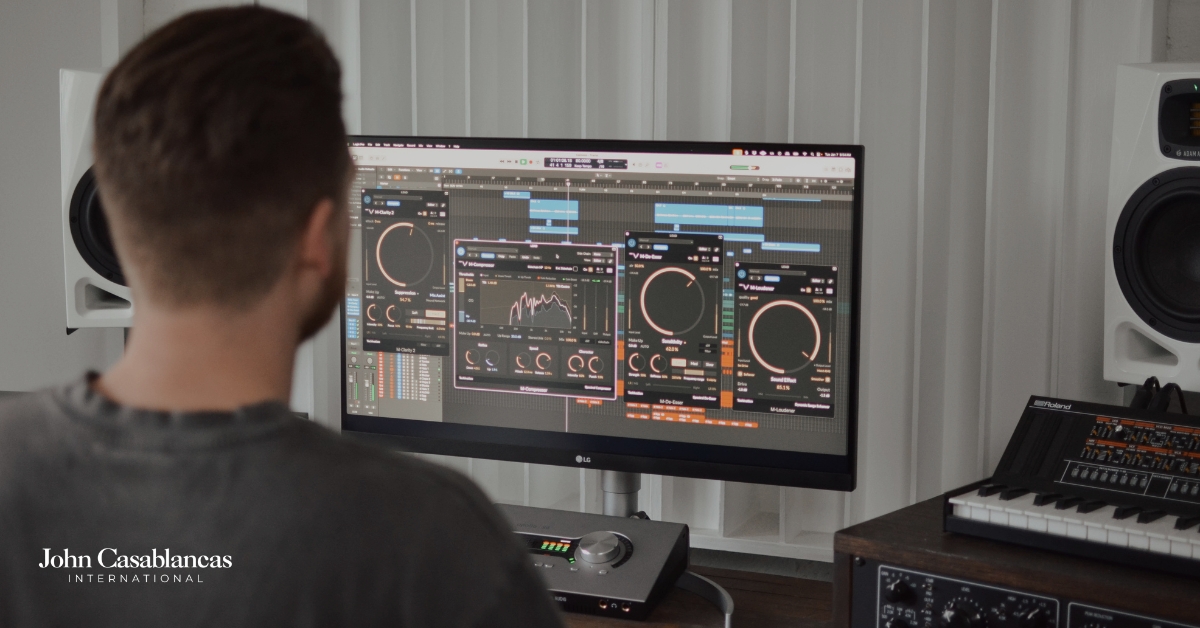
The dream of recording, mixing, and producing music from the comfort of home no longer requires a lottery win. In the digital age, high-quality audio tools have become remarkably accessible, enabling anyone with passion and a smart strategy to build a fully functional home recording studio setup on a shoestring budget.
The core philosophy of a successful budget setup is simple: prioritize function over flash. By understanding which components are truly essential for sound quality and which can be deferred or improvised, you can create a professional-sounding space for far less than you might think.
Phase 1: The Digital Foundation
Your computer and software are the fundamental components of your budget recording studio setup. Music production is CPU and RAM-intensive, not graphics-dependent. Prioritize at least 16GB of RAM for handling multiple tracks and plugins, and an SSD (Solid State Drive) for quick project loading and system responsiveness. An Intel Core i5 or AMD Ryzen 5 is a solid starting point.
The great news is that the software, your Digital Audio Workstation (DAW), can be free. You can skip the costly programs like Ableton Live and start with professional-grade free alternatives. Cakewalk by BandLab (Windows) and GarageBand (Mac) offer unlimited tracks and full mixing features. Alternatively, Cockos Reaper is a powerful, low-cost option. Your skill, not the software price, determines the final quality.
Phase 2: The Essential Gear Trio
This hardware is the bridge between you and your computer, and choosing it wisely is key to great audio.
- Audio Interface: Get a 1- or 2-input interface, as it houses the crucial preamps and converters. Look for reliable budget models like the Focusrite Scarlett Solo or PreSonus AudioBox to get a clean signal conversion.
- Microphone: Select based on your environment. The Audio-Technica AT2020 (Condenser) offers detail for quiet, treated rooms. The rugged Shure SM58 (Dynamic) is better for noisy spaces, as it rejects background sound.
- Monitoring: Prioritize closed-back studio headphones first (e.g., Sennheiser HD 280 Pro or ATH-M40x). They prevent audio bleed during recording, which is vital for clear vocals. You can add studio monitors later.
Phase 3: DIY Acoustic Treatment
The biggest audio upgrade for a recording studio setup often isn’t gear, but your room acoustics. Remember, you need acoustic treatment (controlling sound inside), not expensive soundproofing.
First, position your desk to face the room’s shorter wall. Then, focus your efforts on absorption. Build cheap, effective panels using Rockwool or rigid fiberglass in simple wooden frames. Place these panels at the first reflection points, and use the mirror trick to find them!
Crucially, bass traps (thick panels in room corners) are vital to tame muddy low-end frequencies. Supplement your treatment with household items: use rugs on hard floors, heavy curtains over windows, and a draped quilt as a simple DIY vocal booth for recording.
Phase 4: Cables, Stands, and the Budget Strategy
Finally, the essential accessories that make the entire system functional.
You will need XLR cables (for mic to interface) and potentially TRS cables (for interface to monitors). Never compromise on length; buy only the shortest cables you need to connect your gear to minimize the chance of signal degradation or noise interference.
A solid mic boom stand is a must. A simple, inexpensive pop filter placed in front of your microphone is non-negotiable for vocal recording, preventing harsh “p” and “b” sounds.
If you produce electronic music or use virtual instruments, a small, inexpensive 25- or 49-key MIDI keyboard will drastically improve your workflow by allowing you to play parts instead of drawing them in with a mouse.
Launch Your Talent With John Casablancas International
A fantastic recording studio setup is built on smart choices, not expensive gear. By prioritizing a sufficient computer and a free DAW, you secure your production workflow. Investing in a quality audio interface and a well-suited microphone for your space guarantees a clean signal.
Crucially, your time and budget dedicated to DIY acoustic treatment, building simple absorbers and bass traps, will deliver the most significant improvement in sound clarity. The combination of technical competence and acoustic control allows your creativity to truly shine.
Once your recording studio setup is complete and your demos are polished, you need the right platform. John Casablancas International is dedicated to advancing personal and professional growth, offering comprehensive training and essential skills in acting, modeling, and digital content creation.
Whether your goal is to showcase your music, launch an on-camera career, or develop a compelling social media presence, our programs equip you with the competitive edge needed to get noticed and excel in the entertainment industry.