For many aspiring performers, the dream of the stage or screen starts with a single question: “How much are acting classes?” While the passion for storytelling is priceless, the infrastructure required to build a sustainable career comes with a definitive price tag.
Acting is a craft that requires physical precision, emotional depth, and technical mastery, and all these are skills that are rarely honed in isolation. Consequently, acting training should be viewed as a strategic investment in one’s professional future.
Group Classes and Weekly Sessions
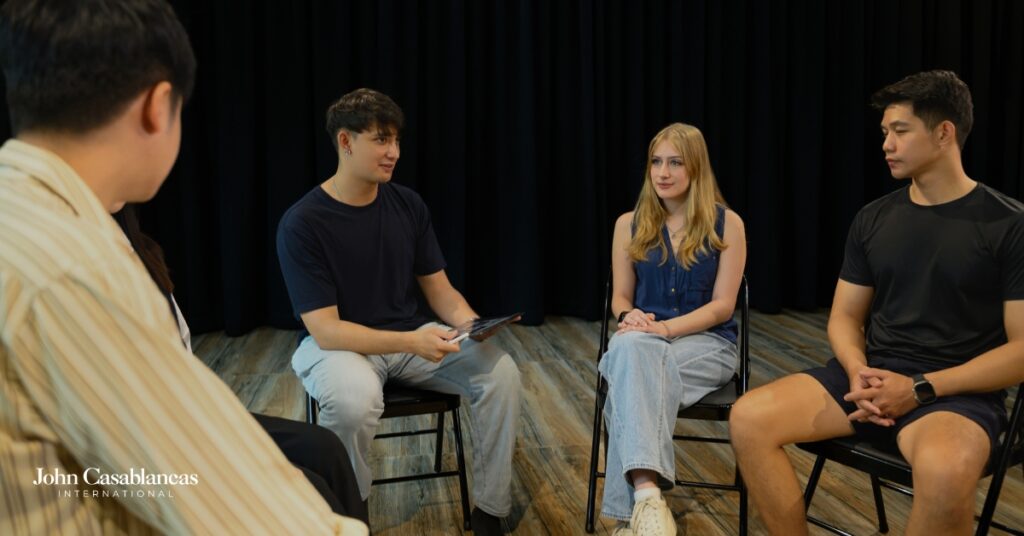
The most common entry point for any actor is the weekly group class. This format allows students to practice in front of an audience, receive immediate feedback, and observe the growth of their peers.
For those seeking introductory or beginner-level courses, typical costs currently range between $250 and $450 for a session lasting four to eight weeks. These classes focus on the basics, including breaking down inhibitions, understanding objectives, and basic improvisation. They are ideal for hobbyists or those testing the waters of the industry.
As an actor moves into the intermediate phase, often focusing on scene study, the financial commitment increases slightly. These classes generally cost between $300 and $600 for a monthly subscription or an eight-week block. At this level, the work becomes more rigorous, involving script analysis and the application of specific techniques such as Meisner or Stanislavski.
For those specifically targeting film and television work, on-camera technique classes are essential. These sessions involve high-end equipment and playback analysis, driving prices to a range of $400 to $750 for a six to ten-week session.
Private Coaching
There are moments in an actor’s career, such as a major pilot season audition or a challenging Shakespearean role, where the generalized environment of a group class is insufficient. This is where private coaching becomes indispensable.
The cost of one-on-one training is highly dependent on the medium of instruction. Digital transformation has stabilized the market for online coaching, which typically costs between $40 and $80 per hour. This is a cost-effective way to access high-level instructors from anywhere in the world without the burden of travel expenses.
In-person coaching in major metropolitan areas, however, remains the gold standard for many. Expect to pay between $100 and $250 per hour for a top-tier coach. These professionals often have decades of experience or current connections to casting directors, and their high rates reflect the bespoke nature of the training. They provide career strategy, role preparation, and the psychological fortitude required to handle the high-stakes environment of a professional set.
Intensives and Conservatories
For those ready to commit to acting as a full-time vocation, short-term intensives and long-term degree programs offer the most comprehensive training models. Summer or short-term intensives are designed to compress six months of growth into a 4 to 6-week window.
These programs often cost between $1,500 and $3,500. They are grueling, often running from 9 AM to 6 PM daily, and cover everything from voice and movement to stage combat and classical text. The higher cost reflects the sheer volume of contact hours and the density of the curriculum.
The highest tier of financial investment is found in full-time conservatory or university degree programs. These institutions provide a multi-year ecosystem for artistic development but come with a significant price tag. In the United States, tuition at private drama schools can range from $30,000 to over $50,000 per year. In the United Kingdom, while the structure differs, the costs remain substantial. While these programs offer unparalleled networking and a formal credential, they require careful financial planning and often, the pursuit of scholarships or student loans.
The Invisible Costs of Acting
When budgeting for acting classes, many students overlook the peripheral costs that can add up quickly. Most professional studios require a one-time registration or administrative fee, typically between $25 and $75.
Additionally, the materials required for training are rarely free. An actor must build a personal library of plays and theory books, with classics by Uta Hagen, Stella Adler, or Constantin Stanislavski, which can cost anywhere from $20 to $100 annually. Furthermore, specialized classes in movement or stage combat might require specific rehearsal attire or safety gear.
Perhaps the highest hidden cost is the showcase fee. Many advanced programs culminate in a performance designed to attract agents and casting directors. While some schools include this in the tuition, others require students to contribute to venue rentals, marketing materials, or the printing of headshots and resumes specifically for the event. These end-of-course expenses can add several hundred dollars to the final bill, making it vital for students to ask for a full disclosure of costs before enrolling.
Launching Your Career
Ultimately, the goal of acting training is to move beyond the classroom and into the professional arena. For over 30 years, John Casablancas International has bridged this gap by providing a comprehensive ecosystem of development and exposure.
Whether you are looking to master on-camera techniques or build the self-confidence necessary for high-stakes auditions, John Casablancas International provides the tools to get you noticed. By investing in a program that understands the global talent market, you are joining a legacy of performers who have turned their passion into a professional reality.

Rebecca Lord is the Chief Marketing Officer at John Casablancas Modeling and Career Centers, where she leads strategic marketing to grow brand visibility. With over a decade in copywriting, social media, and ROI-driven campaigns – plus 14 years as a freelance copywriter and designer – she specializes in messaging that resonates and delivers results. She’s based in Greater St. Louis.