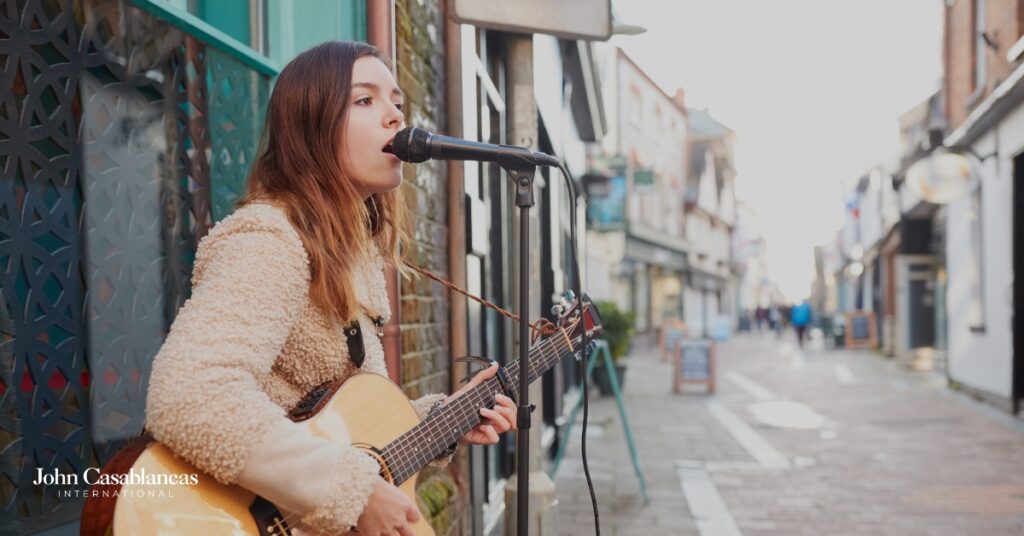
The dream of the big break, that singular moment where a scout discovers a talent in a smoky club and whisks them away to stardom, has largely been replaced by a more practical, sustainable, and arguably more empowered reality.
These days, the most successful gigging musicians are agile entrepreneurs managing diversified portfolios. Finding consistent work in today’s landscape requires a hybrid approach that balances physical presence, digital sovereignty, and high-level professionalism.
The Death of the Post-and-Pray Model
Years ago, a musician might post a video to social media and hope the right person saw it. Today, the post-and-pray method has been replaced by direct-to-fan sovereignty. The most stable musicians have realized that social media algorithms are fickle intermediaries. To ensure a room is full every time they play, they focus on their own audiences.
By funneling casual listeners from live performances into private Discord servers, Telegram channels, or traditional email lists, musicians bypass the gatekeepers. When a gig is booked, they aren’t hoping the fans see a post. Instead, they are sending a direct notification to a community that has already opted in.
This creates fan-driven booking power. When a musician can prove to a venue owner that they have a direct line to 500 local people who show up, they transition from asking for a gig to offering them a partnership.
The Rise of Micro-Touring and Non-Traditional Spaces
While traditional clubs and bars remain staples of the music scene, the competition for these stages is at an all-time high. To find consistent work, musicians are looking toward micro-touring and unconventional venues.
Platforms like Sofar Sounds or private house-concert networks have revolutionized the intimate gig. These shows often provide higher margins than bars because the audience is there specifically for the music, leading to significantly higher merchandise sales and mailing list sign-ups. Furthermore, boutique retail spaces, art galleries, and even high-end corporate lobbies have become the new listening rooms.
By targeting spaces that aren’t traditional music venues, musicians can often negotiate better rates and perform for audiences that aren’t bar-fatigued. This diversification ensures that even if the local club scene hits a seasonal slump, the musician has a calendar full of private and alternative bookings.
Residencies and Corporate Work
Every freelance business needs a minimum guaranteed income that covers the bills. For the gigging musician, this is found in residencies.
Securing a weekly spot at a high-end hotel lounge, a jazz club, or an upscale restaurant provides the financial stability necessary to pursue more creative, less-profitable original projects. While these gigs often require a deep repertoire of crowd-pleasers or covers, they are the backbone of a professional’s schedule. In terms of stability, residencies are the gold standard, offering a reliable weekly paycheck despite the medium effort required to land them.
Parallel to this is the corporate and private event sector. The wedding singer stigma of the past is long gone, and these are now seen as high-paying, professionally managed productions. Success in this sector requires a specialized set of skills, such as punctuality, high-quality sound equipment, and the ability to read a room.
Remote Session Work
Perhaps the most significant shift in the last decade is that a gigging musician no longer needs to be physically present to get paid for their playing. The remote session economy has exploded, allowing instrumentalists to earn a living from their home studios.
Platforms like SoundBetter and AirGigs connect world-class players with producers across the globe. A drummer in Nashville can lay down tracks for a pop producer in London before lunch. To succeed here, the work is about engineering.
The modern gigging musician must be a proficient recording engineer, capable of delivering radio-ready stems. This creates a secondary stream of income that isn’t dependent on travel, weather, or venue capacity, offering medium stability with the massive benefit of global reach and zero travel costs.
Professionalism as the Ultimate Competitive Edge
In a world saturated with talent, soft skills are often the deciding factor in who gets the return call. Promoters and venue owners are more risk-averse than ever, and they want a guarantee that the performer will be easy to work with.
A professional Electronic Press Kit is the musician’s resume. It must include high-definition live footage, a clear stage plot, and a precise input list. Making the sound engineer’s job easy is the fastest way to get invited back.
Responding to booking inquiries within hours, showing up on time for soundcheck, and sticking to the allotted set times are the hallmarks of a professional.
As AI-generated background music begins to enter some commercial spaces, the value of human personality has skyrocketed. Musicians who can work a room, tell stories between songs, and build a genuine rapport with the audience offer something a playlist cannot.
Sync Licensing
Finally, consistent work involves making the music work even when the musician is sleeping. Sync Licensing, which means placing music in advertisements, films, video games, and YouTube content, has become a vital work stream.
By submitting their catalog to sync libraries like Musicbed or That Pitch, musicians turn their past gigs or recordings into ongoing revenue. This passive income provides a buffer during months when live bookings are lean, ensuring the business of being a musician remains viable year-round.
Elevate Your Career With John Casablancas International
While technical skill is the foundation of every gigging musician, the transition from a local performer to an industry professional requires a polished image and business acumen. John Casablancas International provides the essential training and developmental tools to help you bridge that gap.
Whether you are looking to refine your stage presence or navigate the complexities of industry networking, John Casablancas International offers the guidance needed to stand out in a competitive market and build a sustainable career in the arts.

Rebecca Lord is the Chief Marketing Officer at John Casablancas Modeling and Career Centers, where she leads strategic marketing to grow brand visibility. With over a decade in copywriting, social media, and ROI-driven campaigns – plus 14 years as a freelance copywriter and designer – she specializes in messaging that resonates and delivers results. She’s based in Greater St. Louis.