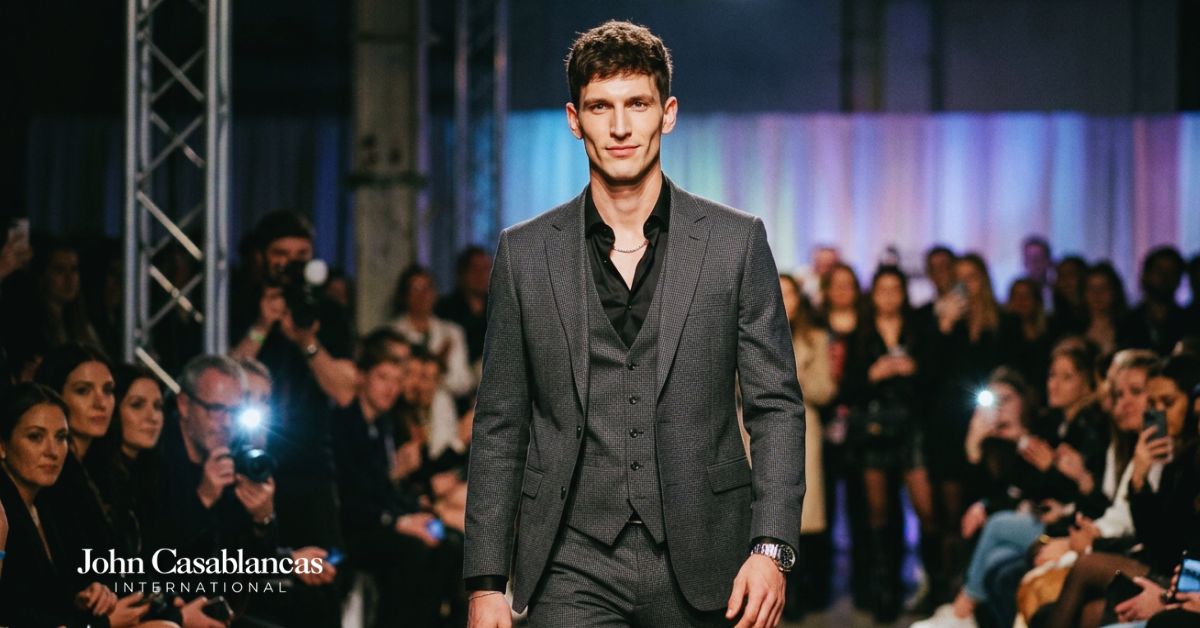
Male supermodels are more than just faces on billboards. They are the emotional heart of high fashion campaigns, helping brands turn clothes and products into stories people want to be part of.
How Are Male Supermodels Different from Other Models?
The main difference is scale and consistency. A model may book a single job, but a male supermodel becomes part of a brand’s visual identity over time.
Names like David Gandy, Jon Kortajarena, and Adonis Bosso appear again and again in luxury fragrance, runway, and global campaigns. They are treated as brand ambassadors, not short-term hires.
Agencies also invest more time and money in male supermodels. They provide training, media coaching, and travel support so that when a major fashion house calls, the model is ready for a global campaign.
This long-term investment is why brands often return to the same faces rather than work with new models every season.
Why Do High Fashion Brands Prefer Male Supermodels for Campaigns?
High fashion brands prefer male supermodels because they are dependable, adaptable, and easy to work with in complex creative environments.
Houses like Tom Ford, Giorgio Armani, and Dolce and Gabbana often return to the same group of male supermodels because they know how these individuals perform under pressure and how they travel, pose, and respond to direction.
Campaigns shot in multiple cities are expensive. Brands want models who can deliver strong results without delays or reshoots.
Male supermodels are chosen because they understand lighting, camera angles, and brand tone, which helps production teams move faster and stay on schedule.
What Visual Traits Catch a Brand’s Eye in Male Supermodels?
Physical traits are still important. Agencies generally look for heights between about 5 feet 11 inches and 6 feet 3 inches, a toned but not overly muscular build, and balanced facial features.
However, brands also look for traits that stand out. Unique jawlines, eye shapes, or hairlines can become a signature that a brand can use again and again.
Jon Kortajarena, for example, is known for sharp cheekbones and a focused look that brands use to signal luxury and confidence. Another important change is that skin and grooming matter more than before.
Brands expect male supermodels to have clean, camera-ready skin, reflecting how men’s beauty standards have evolved in recent years.
How Does Charisma Make a Male Supermodel Stand Out?
Charisma is hard to measure, but it is easy to see. The best male supermodels demonstrate confidence, focus, and emotional range, making sets more relaxed and collaborations more productive.
They can shift from a serious, intense mood for a nighttime fragrance campaign to a playful, relaxed feel for a summer collection. David Gandy’s work for Dolce and Gabbana is a good example.
His Light Blue campaigns are not just about beach scenes and swimsuits. They depend on the balance of restraint and charm that Gandy brings to the images.
This subtle emotional control is what keeps brands calling him back for new seasons.
How Do Male Supermodels Turn a Single Image into a Story?
A single campaign image is a small story. The best male supermodels use body language, eye contact, and subtle expressions to suggest what happened before the photo and what may happen after.
They think about the character they are playing, the campaign’s mood, and who the customer is. Agencies say that top male supermodels often ask questions about the brand’s world, the target audience, and the feeling the campaign should project.
This helps them internalize the idea and deliver a performance that feels natural rather than forced. Adonis Bosso, for example, often brings a quiet, thoughtful energy to his work with brands like Moschino and Fenty.
He thinks about the cultural context and the brand’s message, which adds depth to the images and makes them more memorable.
Why Diversity and Inclusivity Are Shaping the Rise of Male Supermodels?
The group of male supermodels on billboards is more diverse than it used to be. In the past, a narrow aesthetic dominated fashion advertising.
Today, brands are choosing male faces from a wider range of backgrounds, ages, and body types. Adonis Bosso, Tyson Beckford, and other Black male supermodels have helped push this change.
They have used their visibility to ask for more representation not only in front of the camera but also in casting, styling, and creative direction. Research from 2025 shows that brands using diverse male model rosters often see higher engagement and better results online.
This means inclusivity is not just a social goal. It also affects how well campaigns perform in the real world.
How Do Modeling Agencies Build Male Supermodels for Campaigns?
Agencies treat top male models like long-term investments. Firms such as Wilhelmina, IMG, and DNA do more than send photos to clients.
They help with training, contract negotiations, travel planning, and reputation management. Agencies also help male supermodels develop skills in public speaking, media interviews, and digital content creation.
One key practice is that agencies often spread out when a major male supermodel appears in campaigns. By not overexposing them, agencies maintain their status and pricing.
Agencies also encourage male supermodels to work in other areas, such as acting, music, or business, thereby adding depth to their public image and making them more valuable to brands.
How Do Brands Measure the Success of Male Supermodel-Fronted Campaigns?
Brands track success in several ways. Common measures include how many people engage with campaign images online, how much coverage the campaign receives in the media, and whether sales go up during the campaign period.
High-fashion houses may not publish exact numbers, but internal data often focuses on how often a brand books the same male supermodel. Frequent repeat bookings are a sign that the model is trusted and effective.
Brands also look at results across regions, seeing whether a male supermodel can help them perform well in different markets and cultures.
Conclusion
In conclusion, what makes male supermodels stand out in high-fashion campaigns is not a single trait but a combination of strong looks, emotional connection, storytelling ability, and professional reliability that brands can count on over time.
As fashion becomes more global and digital, male supermodels are playing a growing role in shaping how masculinity is portrayed in advertising and culture. If you are an aspiring male model or a brand looking for new talent, reaching out to John Casablancas International, one of the leading model recruitment agencies, can help you take the next step.
Contact John Casablancas International to see how we can help you succeed and build a career that stands out in high-fashion campaigns.
FAQs
What defines a male supermodel in high fashion campaigns?
A male supermodel is a male model who appears repeatedly in high-profile campaigns for major fashion houses and has become closely associated with a brand’s image. Unlike regular models, they are often treated as brand ambassadors whose presence helps define the tone and identity of a campaign season after season.
Why do luxury brands choose male supermodels over other models?
Luxury brands choose male supermodels because they are reliable, consistent, and able to deliver strong performances under pressure across different locations and creative teams. Their experience and professionalism reduce the risk of delays and reshoots, which is important for expensive, global campaigns.
What qualities do male supermodels need to stand out?
Male supermodels need a strong, distinctive look, good posture, and the ability to project different emotions and moods on camera. They also need confidence, punctuality, and openness to direction, which help them work efficiently with photographers, stylists, and casting directors.
How does diversity affect the role of male supermodels?
Diversity allows more types of faces, body types, and backgrounds to appear as male supermodels, which helps brands connect with wider audiences. A diverse group of male supermodels can reflect changing ideas of masculinity and make campaigns feel more authentic and inclusive.
Can aspiring male models become male supermodels?
Yes, aspiring male models can become male supermodels if they build strong portfolios, work professionally, and stay consistent over time. Many start with smaller jobs, then gradually book larger campaigns as agencies and brands notice their reliability, versatility, and growing fan base.