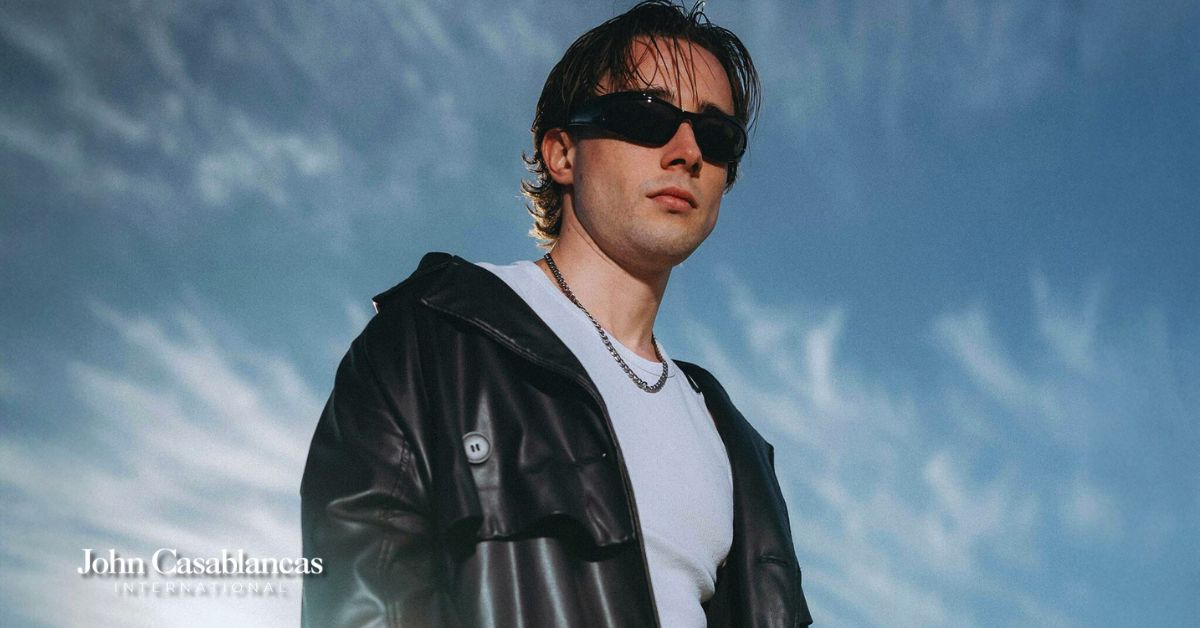
Top male models are more than just faces on a billboard or names on a runway roster. They are personal brands, professionals, and entrepreneurs.
What once may have been a narrow career path has expanded into a multi-faceted industry where individuality, business savvy, and digital presence hold just as much weight as bone structure and symmetry.
If you’re wondering how the top male models of today are breaking through the noise, sustaining success, and turning modeling into long-term careers, this guide breaks it down.
What Do You Need to Start a Career in Male Modeling?
The requirements to start a modeling career depend largely on the type of modeling you want to pursue. But even the top male models had to begin with the basics.
Physical Standards (and the Industry’s Evolving Expectations)
For high-fashion or runway work, most agencies still prefer male models between 5’11” and 6’3” with a lean build. But that’s not a hard rule anymore.
Commercial, lifestyle, and fitness modeling are more flexible. Many of the top male models working in e-commerce or advertising don’t meet old-school standards—they stand out for their look, not for numbers.
Today, there’s also a growing demand for models who reflect real people. Brands want relatability. That means there’s more space for different body types, ethnicities, and even unconventional features.
Build a Strong Portfolio
Top male models always have a strong portfolio. Your portfolio is a visual resume—it should show your range, professionalism, and personality.
Start with clean “digitals” in natural lighting. No filters. Just you, a plain background, and confidence. As you book more test shoots or paid work, add styled photos that show versatility.
Think fashion, commercial, fitness, and lifestyle shots. Keep it up to date and relevant to the market you’re targeting.
Do You Need a Modeling Agency to Succeed?
Many top male models work with well-known agencies, but not all started that way—and some succeed without one.
Why Agencies Still Matter
Agencies help connect models to jobs, negotiate contracts, and offer guidance. They have relationships with casting directors and brands, making it easier to land quality work.
Some agencies have launched the careers of several top male models by providing them with global opportunities.
Freelance Success Is Also Possible
Some models choose the freelance route, managing their own bookings and building direct relationships with brands. This path takes more hustle but offers full control.
Many male models with strong social media presence go freelance and work directly with clients through Instagram, LinkedIn, or model directories. No matter which path you choose, professionalism and consistency are non-negotiables.
How Do Top Male Models Maintain Their Careers?
The best male models don’t just rise to the top—they stay there through discipline, strategy, and adaptability.
Take Care of the Body (and the Brand)
Modeling is a visual industry, so maintaining a healthy, photogenic look is part of the job. Top male models usually follow consistent grooming, skincare, and fitness routines.
But they also take care of their image in a broader sense—what they post online, how they interact with brands, and how they represent themselves on set.
If you’re serious about becoming one of the top male models in your niche, it’s important to treat yourself like a brand.
Learn to Adapt
The ability to transition between categories—runway, editorial, commercial, fitness, or even influencer modeling—is a major asset. Being flexible with styles, roles, and locations gives you more opportunities to work year-round and stay visible.
Models who are easy to work with, take direction well, and understand different brand aesthetics are the ones who get called back.
How Important Is Social Media for a Male Model?
Extremely. Social media can elevate a model’s visibility and attract brand deals that would otherwise be out of reach. Many top male models use Instagram and TikTok as live portfolios.
Why Your Instagram Grid Matters
A well-curated feed shows your personality and modeling range. Even casting agents browse hashtags or check DMs. Models who showcase lifestyle content, behind-the-scenes shots, and collaborations tend to attract more attention.
Some male models land campaigns purely because of their social presence. Others use it to boost exposure between agency jobs.
Social Proof Drives Demand
Brands today look beyond just looks—they want reach. Top male models who double as influencers are in high demand because they bring built-in audiences.
Whether you have 1,000 followers or 100,000, what matters is how you present yourself online and how consistent your content is with your modeling identity.
What Training Helps Aspiring Male Models Succeed?
While you can start modeling with little to no formal training, many of the top male models have worked hard to refine their craft.
1. Posing and Movement
Modeling isn’t just standing in front of a camera. Knowing how to move, pose, and connect with the camera takes practice.
Practice in the mirror, study photos from top campaigns, or attend posing workshops to learn what works for your angles and expressions.
2. Runway Walks and Fashion Presence
If your goal is the runway, walking classes are essential. Every designer expects a certain kind of movement, and being runway-ready gives you a serious advantage at castings.
3. Acting and Camera Confidence
Commercial and video shoots are common even for fashion models. Acting lessons can help improve emotional expression and help you feel more confident speaking on camera.
Many top male models have crossed into film, and the skill sets overlap more than people think.
What Makes a Male Model Stand Out to Brands?
With thousands of hopefuls in the industry, it takes more than looks to rise to the top. The male models who succeed long-term have a few things in common.
A Unique Look
Top male models usually have something unforgettable about their appearance—a striking profile, unusual features, expressive eyes, or even a signature style. Being “marketable” doesn’t mean looking like everyone else. It means standing out.
A Professional Reputation
You could be the best-looking model in the room, but if you’re difficult to work with or unreliable, word will get around. On the other hand, a model who shows up early, is respectful to everyone on set, and delivers great results will keep getting booked.
A Clear Brand Identity
Do you want to be known for high fashion? Fitness? Lifestyle campaigns? The top male models build identities around their strengths and lean into them—visually, socially, and professionally.
What Types of Modeling Can Men Pursue?
There’s more than one way to build a career in modeling. Some of the top male models focus on one niche, while others combine categories.
1. Runway Modeling
This includes working fashion weeks and designer presentations. It’s competitive and often seasonal, but runway work can elevate your visibility fast.
2. Editorial Modeling
Editorial models appear in magazines, lookbooks, and high-fashion art shoots. It doesn’t pay much, but it builds credibility and style authority.
3. Commercial and E-commerce
This is where most long-term modeling income comes from. Commercial work includes everything from product packaging to online stores. It’s less about a specific look and more about being relatable and camera-ready.
4. Fitness and Body Modeling
Fitness brands, supplements, and workout gear hire models with athletic physiques. If you enjoy gym culture, this might be your lane.
5. Lifestyle and Influencer Modeling
If you can tell a story through photos or video, lifestyle modeling could be ideal. It’s less structured, but it offers high-earning potential when combined with content creation.
Conclusion
If you’re dedicated to your craft, resilient in the face of rejection, and willing to grow with the evolving industry, modeling can offer a fulfilling and dynamic career. Top male models gain global exposure, build personal brands, and unlock opportunities that go far beyond the camera.
This path is not for those who wait for success to come to them. It requires discipline, adaptability, and a clear strategy. With the right guidance and support, your modeling journey can lead to long-term success and recognition.
Ready to take the next step? Contact John Casablancas International to see how we can help you succeed with an agency representing elite talent and shaping the future of modeling.
FAQs
Can you become a top male model without an agency?
Yes, it’s possible to build a modeling career without an agency—especially with a strong social media presence. However, top male models often sign with agencies to access bigger campaigns, international castings, and professional management.
What age do most top male models start their careers?
Many male models begin between the ages of 16 and 25, but some start later and still find success. The key is to match your look to the right market—runway might favor younger faces, while commercial and lifestyle work welcomes a broader age range.
Do top male models need a specific height or body type?
Runway modeling usually requires a taller, slimmer build, but top male models come in all shapes and sizes depending on the niche. Fitness, commercial, and lifestyle modeling allow for more flexibility in height, weight, and overall look.
How do top male models stay in shape?
Most follow consistent routines with clean nutrition, weight training, cardio, and recovery practices like stretching or massage. Maintaining a healthy, camera-ready appearance is part of the job and can vary depending on the type of modeling they do.
What kind of photos should I include in my modeling portfolio?
Start with digitals—simple, unedited photos in good lighting showing your face, profile, and full body. Add professional images that highlight your range, including headshots, editorial-style shots, and any work from campaigns or test shoots.