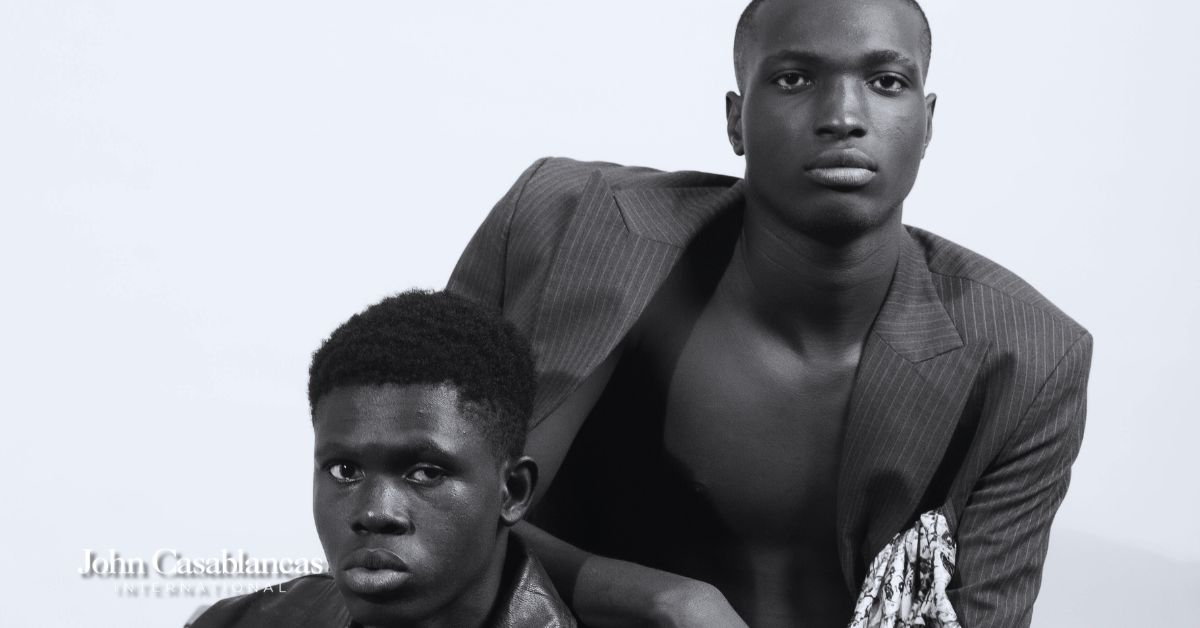
Iconic male models have quietly shaped the fashion world and cultural definitions of masculinity across generations. While female models often take the spotlight, male models have consistently influenced style, grooming, and identity through their presence in magazines, campaigns, and runway shows.
From old Hollywood elegance to the fluid individuality of today’s fashion, iconic male models have redefined what it means to be a man in every era. In this article, we explore 10 male models who made a lasting impact on how masculinity is portrayed.
Each of them played a unique role in shaping trends, challenging expectations, and setting new standards. Whether through athleticism, charm, edge, or advocacy, these men didn’t just model clothing—they modeled culture.
What Makes a Male Model Iconic?
Not every successful male model becomes iconic. To earn that status, a model needs to do more than appear in campaigns or walk runways. Iconic male models:
- Define the fashion and mood of their era
- Influence how men present themselves and how they’re perceived
- Break through social or industry barriers
- Leave a cultural impression that lasts beyond their peak career years
Being iconic is not only about looks. It’s about presence, timing, and how their image speaks to something bigger in society.
1. Cary Grant
Cary Grant was not a traditional fashion model, but his influence on style and masculinity is undeniable. With his tailored suits, polished appearance, and charming personality, he became a symbol of post-war elegance.
Grant’s image helped shape what many saw as the ideal man—refined, respectful, and confident. He was known for his dedication to personal grooming at a time when men were rarely open about skincare or style routines.
Grant showed that masculinity could be clean, composed, and sophisticated, setting the tone for countless fashion campaigns and male personas that followed.
Many iconic male models in later decades drew from the standard Grant helped create—quiet confidence, timeless clothing, and a strong sense of self.
2. Steve McQueen
Steve McQueen brought a different type of masculinity to the spotlight. Where Cary Grant was polished, McQueen was rugged. His casual style, love of motorcycles, and no-nonsense demeanor made him the face of effortless cool.
Although not a professional model, McQueen’s look and attitude heavily influenced fashion photography and menswear styling. His outfits—leather jackets, desert boots, and slim trousers—were practical yet stylish, inspiring many campaigns for modern men who valued independence.
McQueen didn’t need a runway to make a statement. His authentic lifestyle, paired with his fashion sense, made him one of the most iconic male models of influence in his time, even without the title.
3. Bruce Jenner
Bruce Jenner, now Caitlyn Jenner, became a household name after winning the gold medal in the Olympic decathlon in 1976. At a time when fitness culture was growing in the United States, Jenner represented the athletic and disciplined male ideal.
His image appeared on cereal boxes, in commercials, and in sportswear campaigns. Jenner’s strong physique and clean-cut style made him a role model for young men and a natural fit for mainstream fashion and product endorsements.
This era marked a shift in which athletes began to take on roles similar to those of traditional fashion models. Jenner helped open that door, making athleticism a central part of masculine identity in advertising.
4. Fabio Lanzoni
Fabio Lanzoni took male modeling to a different level. Known for his long hair, muscular build, and dramatic poses, Fabio became the face of romance novel covers across the globe. At his peak, he appeared on hundreds of covers and worked with brands like Versace and Gap.
His exaggerated look represented a fantasy version of masculinity—one that was bold, passionate, and unmistakably visible. Fabio also became a pop culture figure, appearing in commercials and TV shows that leaned into his unique appeal.
While his image was far from subtle, Fabio stood out in a fashion world that often favored minimalism. He proved that iconic male models could lean into theatricality and still connect with a massive audience.
5. Tyson Beckford
Tyson Beckford changed the landscape of male modeling when he became the face of Ralph Lauren’s Polo line in 1993. As one of the first Black male models to achieve global recognition, Beckford challenged the industry’s narrow standards of beauty and representation.
His unique mix of confidence, strength, and sophistication enabled him to stand out in both high-fashion and commercial campaigns. Beckford helped open the door for greater diversity in fashion and showed that masculinity could be powerful and elegant across cultures.
Beckford’s success not only raised visibility for Black male models but also placed him among the most iconic male models of the 1990s.
6. David Gandy
David Gandy brought a return to classic male modeling in the early 2000s. With a muscular frame and structured features, he offered a contrast to the slim, androgynous male models that were popular at the time.
His breakout moment came in the Dolce & Gabbana “Light Blue” campaign, where his look—strong, mature, and distinctly masculine—redefined what brands looked for in male talent. Gandy’s style leaned into tradition while feeling fresh for the new generation.
He continued to work with top designers and often spoke about changing body standards in the industry. David Gandy remains one of the most recognizable and iconic male models in modern fashion.
7. Andreja Pejić
Before transitioning, Andreja Pejić became known for modeling both men’s and women’s clothing. Her androgynous beauty challenged traditional fashion boundaries, and she walked in major shows for designers who embraced her ability to move between gender categories.
Pejić was one of the first male models to receive widespread attention for this kind of crossover. Her career reflected a shift in the fashion industry toward more inclusive and flexible gender expression.
By embracing both masculine and feminine styles, Pejić became a powerful example of how iconic male models can disrupt long-held norms and expand the industry’s ideas of beauty and identity.
8. Sean O’Pry
Sean O’Pry began his career after being discovered online, becoming part of a new generation of models shaped by digital media. With strong facial features and a classic look, O’Pry worked with brands like Calvin Klein, Armani, and H&M.
He gained broader recognition after appearing in Taylor Swift’s music video for “Blank Space,” showing that male models could cross into entertainment and pop culture with ease. O’Pry’s versatility and broad appeal helped make him one of the highest-paid male models of the decade.
He represents how iconic male models can blend tradition with digital relevance, appealing to both fashion professionals and the general public.
9. Adonis Bosso
Adonis Bosso has worked with global brands, but he’s also known for using his platform to support causes he cares about. As a father of a child on the autism spectrum, Bosso regularly speaks about acceptance and inclusion.
His modeling work reflects this approach—he often brings emotion, personality, and identity into his campaigns. Bosso challenges the idea that male models must be distant or emotionally removed.
Instead, he brings a warm and human presence to his work, which resonates with today’s more open and self-aware definitions of masculinity.
His career proves that iconic male models don’t only influence style—they can also use their visibility to promote values and real-life stories.
10. Alton Mason
Alton Mason has made a major impact in recent years. In 2018, he became the first Black male model to walk for Chanel. With a background in dance, Mason brings energy and movement to the runway, giving his appearances a sense of performance and emotion.
He has walked for high-profile designers and is known for blending streetwear with formal fashion in his personal style. Mason’s approach reflects a shift toward self-expression and individuality. He’s not just modeling clothes—he’s modeling an identity that is free and full of character.
Alton Mason is one of the most iconic male models of the current era because he embraces creativity, culture, and personal truth.
How Has the Image of Masculinity in Fashion Changed Over Time?
The portrayal of masculinity in fashion has evolved with culture. In the 1950s, the ideal man was polished and formal. The 1960s brought in rebellion and independence. The 70s favored athleticism, and the 80s exaggerated masculine traits. The 90s introduced more diversity, while the 2000s began mixing tradition with modern flair.
Today, masculinity in fashion includes vulnerability, individuality, and emotional depth. Iconic male models have been part of every step of this change, showing that men can be more than one thing—strong and gentle, confident and expressive.
Why Do Fashion Brands Still Rely on Iconic Male Models?
Brands choose iconic male models because they represent more than a look—they carry meaning. Whether it’s the classic appeal of David Gandy or the artistic flair of Alton Mason, these models connect with audiences in ways that go beyond clothing.
They help sell products, but they also tell stories. Their images shape how people view identity, lifestyle, and aspiration. For a brand, working with an iconic male model adds depth and value to its message.
Conclusion
Iconic male models have done far more than showcase fashion trends. Across different eras, they have reflected changing ideas about masculinity, identity, and self-expression.
From classic refinement and rugged independence to athletic strength and modern individuality, each generation of iconic male models has captured what society valued at the time while quietly pushing those boundaries forward.
What makes these figures endure is not just their appearance, but their influence. They shaped how men dressed, how brands communicated, and how masculinity was presented in media.
Over time, iconic male models helped move the conversation away from a single definition of manhood toward one that allows confidence, creativity, vulnerability, and cultural diversity to coexist.
As fashion continues to evolve, the role of iconic male models remains essential. They serve as visual markers of progress, showing how masculinity can adapt without losing its strength or individuality.
If you’re ready to pursue a career in modeling and want the guidance of a trusted name in the industry, contact John Casablancas International, a high-end modeling agency dedicated to helping you grow, succeed, and stand out in today’s competitive fashion world.
FAQs
Who are the most iconic male models in history?
Some of the most iconic male models include Tyson Beckford, David Gandy, Fabio Lanzoni, and Sean O’Pry. These men became symbols of their era by representing masculinity in distinct and influential ways, often shaping both fashion trends and cultural ideals.
What separates an iconic male model from a regular model?
An iconic male model has lasting cultural impact beyond modeling jobs. They influence public perception, break barriers, or redefine industry standards, making them timeless figures in both fashion and media.
How has the role of male models changed over the years?
Male models were once limited to narrow ideas of masculinity—stoic, athletic, or rugged. Today, they represent a broader range of identities, from gender-fluid to purpose-driven figures, reflecting society’s evolving views on what it means to be a man.
Can male models be successful without fitting traditional beauty standards?
Yes, the fashion industry has become more inclusive, and many successful male models now represent diverse backgrounds, body types, and identities. Individuality and authenticity are becoming just as important as classic looks.
Why do brands continue to work with iconic male models?
Iconic male models bring credibility, storytelling, and emotional connection to campaigns. Their familiar image helps brands reach audiences who value not just fashion, but identity and lifestyle inspiration.